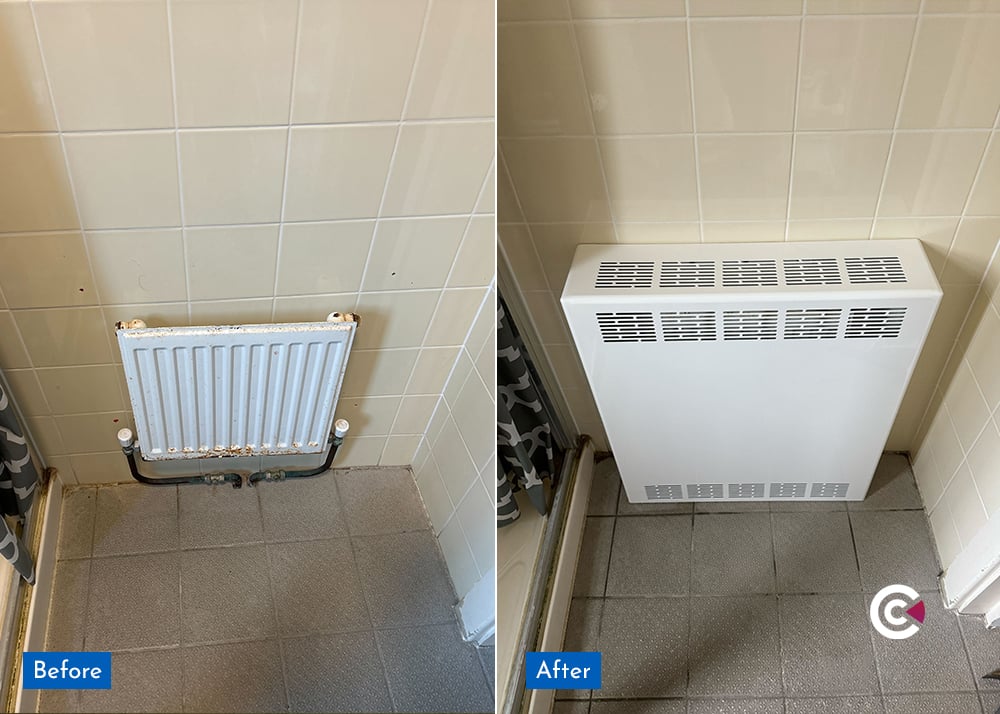
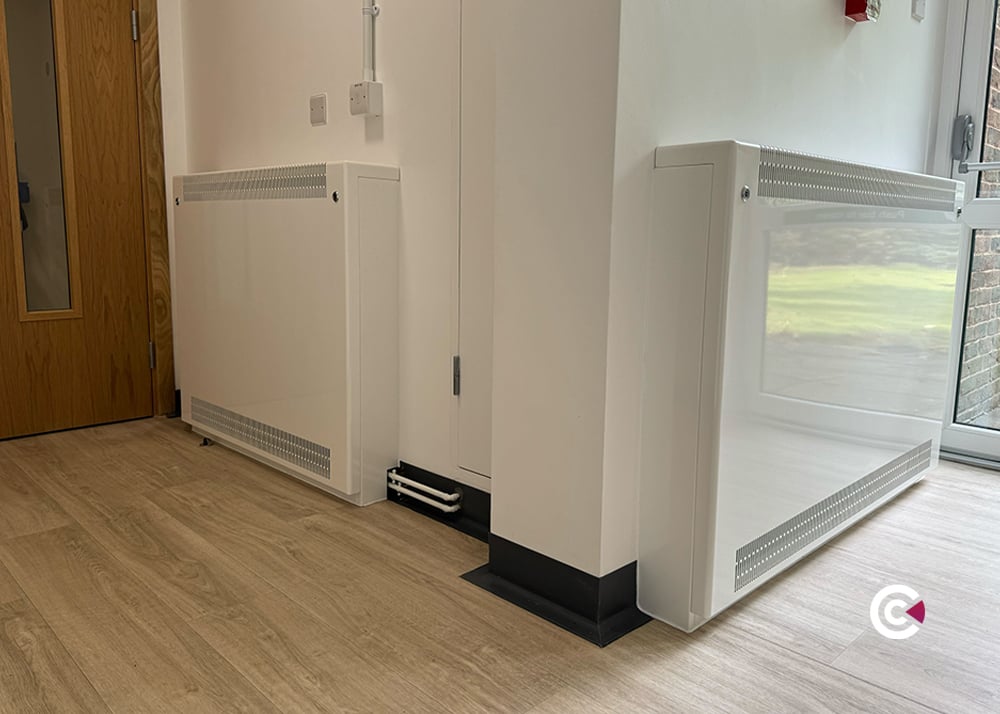
-1.png)



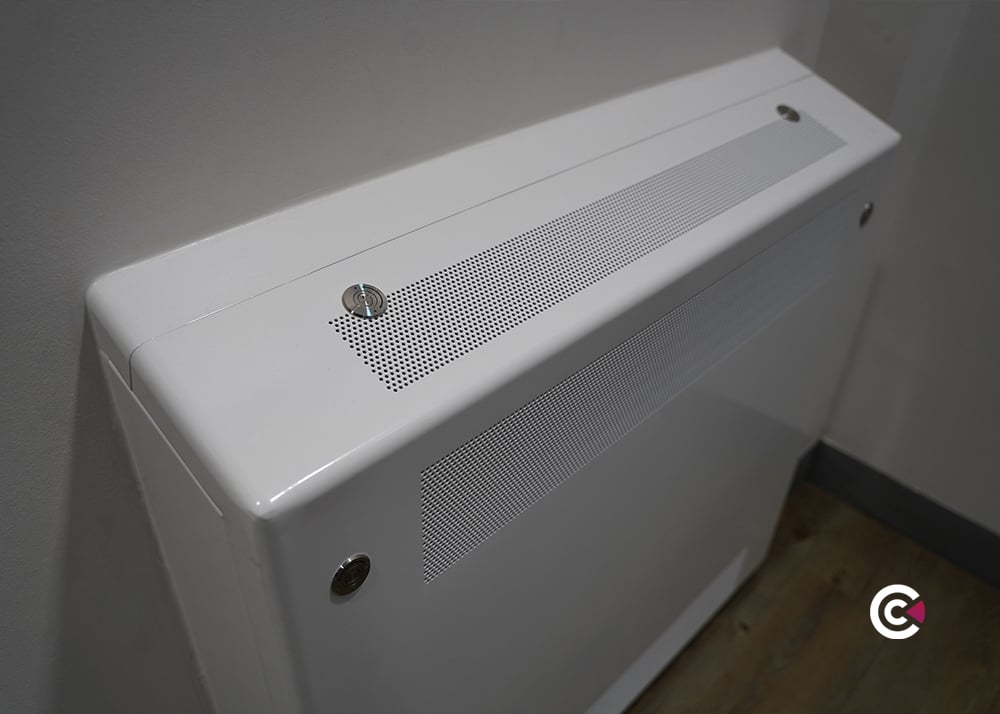




Radiator covers, guards and casings sit in spaces used by real people, day after day. They get touched, leaned on, cleaned, knocked and inspected and, in some settings, deliberately tested.
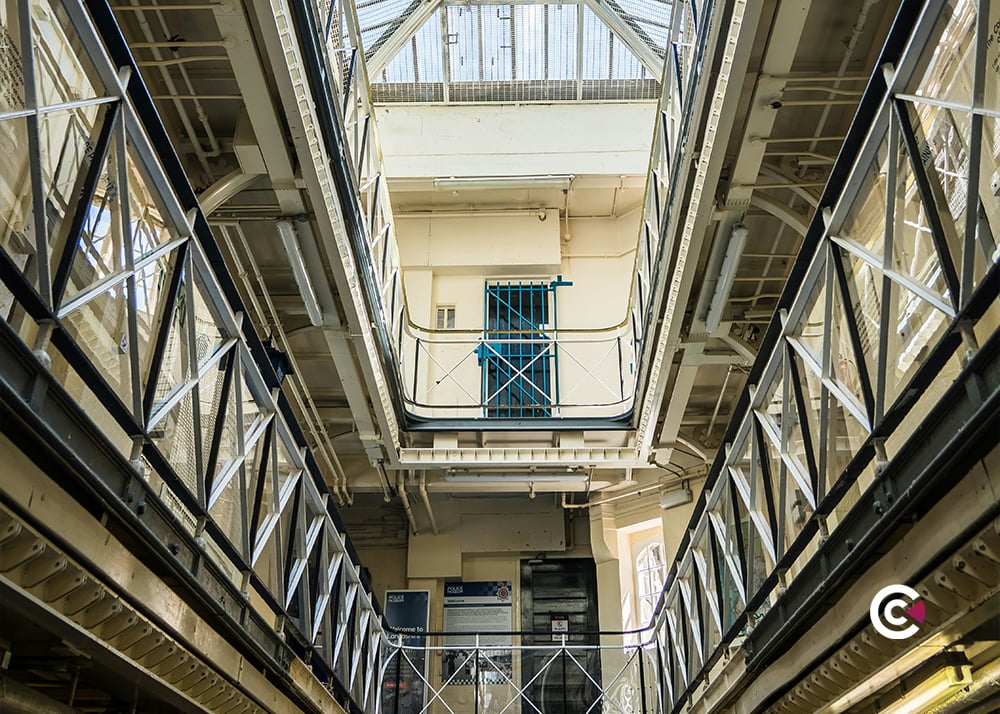
In mental health wards, SEND schools, healthcare estates and secure units, the shape of a product can matter as much as the material it's made from. Sharp edges, flat ledges, exposed corners and awkward transitions create practical problems: for cleaning staff, for maintenance teams, and for the people who use the space.
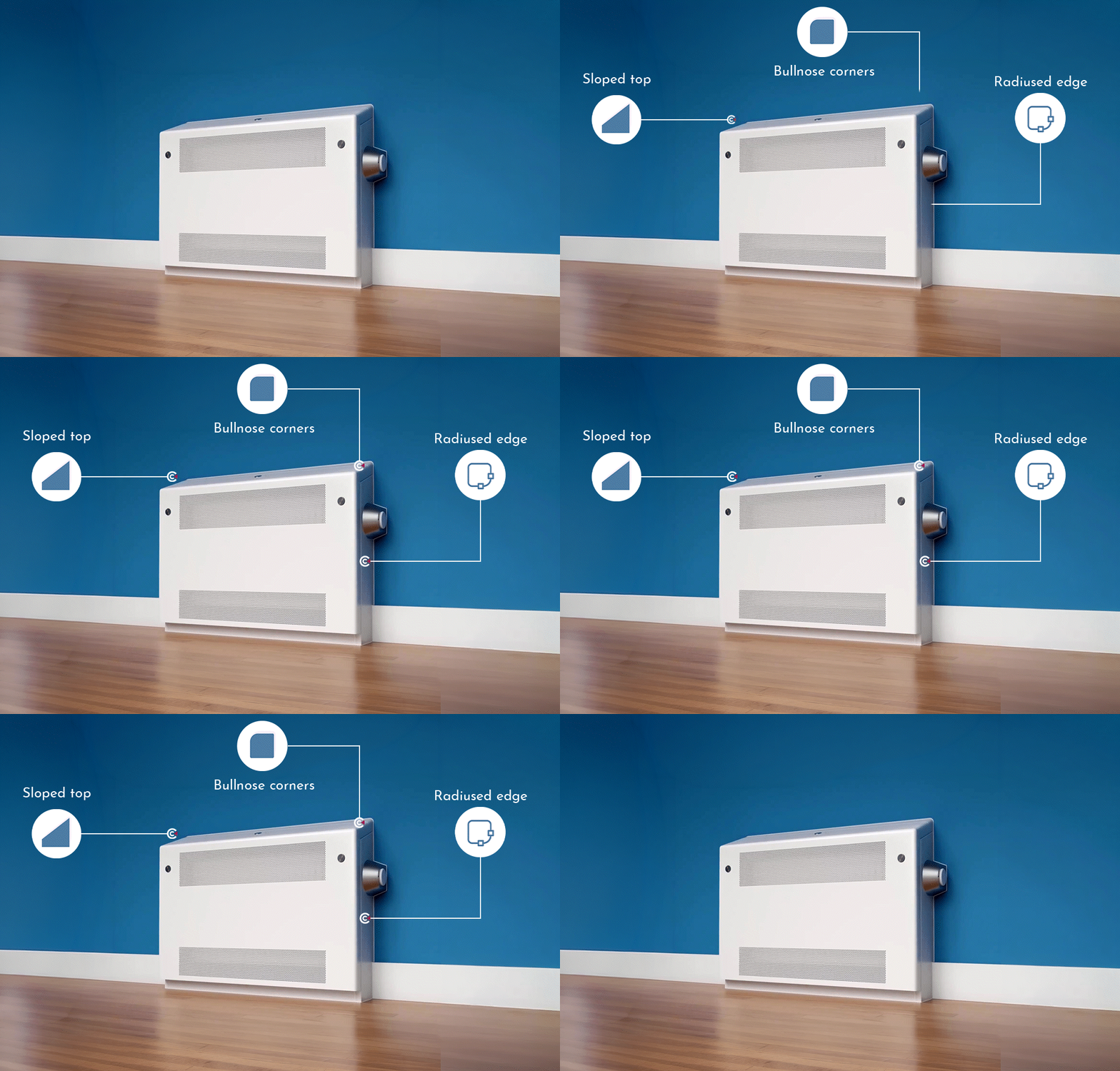
Good design reduces avoidable risk without making a room feel institutional. Bullnose edges, radiused corners and sloping tops each solve a different problem, and none of them do the same job as the others.
This blog looks at what each feature is for, and where it fits into a full specification.
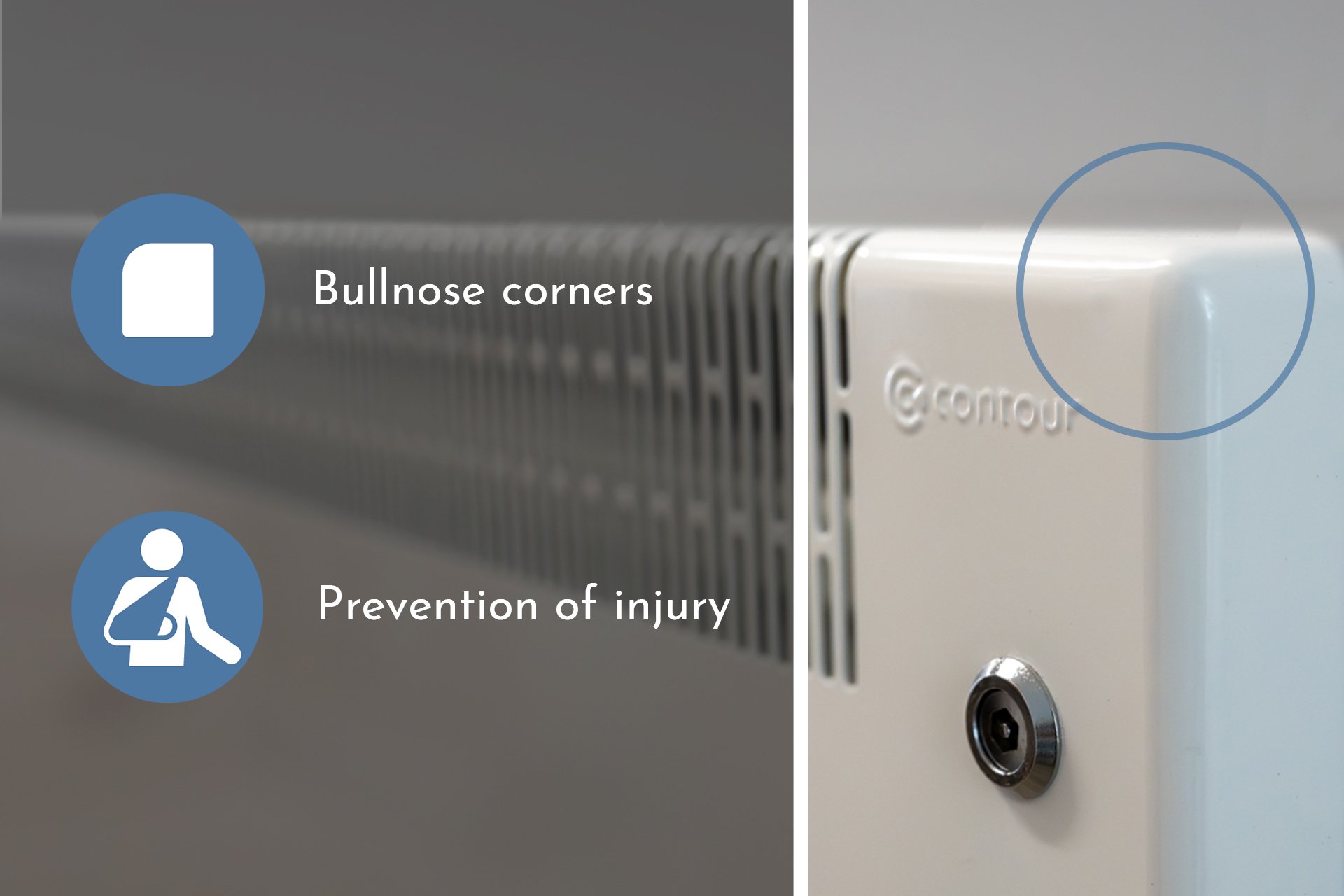
Bullnose corners: reducing harsh impact points
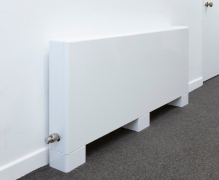
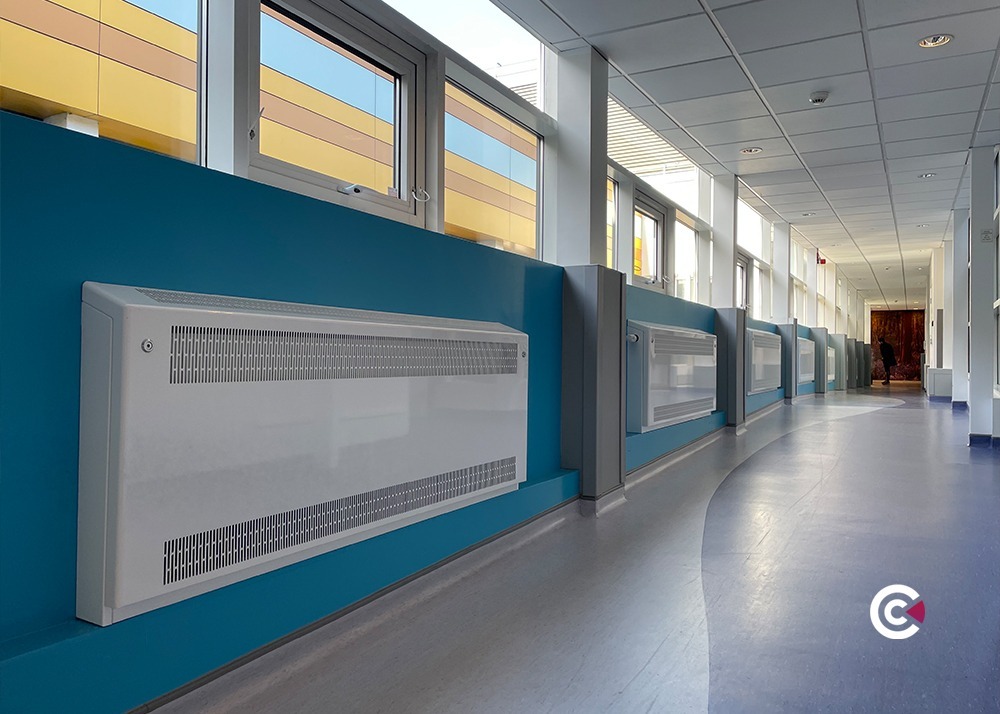
A bullnose corner is a rounded external corner or edge, in place of a sharp 90-degree angle. It's a standard detail on Contour’s radiator covers, pipe boxing and perimeter casings, and it softens the point of contact if someone brushes past, leans on, or falls against the product.
Rounded corners reduce the severity of contact compared with a square corner. That matters in corridors, bedrooms, classrooms, wards, and any other high-traffic space where people move past fixed furniture without someone watching every step.
A rounded profile can look soft, but that's a separate question from whether it's strong enough for the job. Bullnose detailing needs to be paired with solid construction, secure fixings and the right material thickness the shape addresses one kind of risk, not all of them.
Where bullnose detailing is most useful
Bullnose corners earn their place in high-contact areas: circulation routes, patient bedrooms, classrooms, waiting areas, and anywhere vulnerable users move around without constant supervision.
Radiused edges: controlling corners without overcomplicating the design
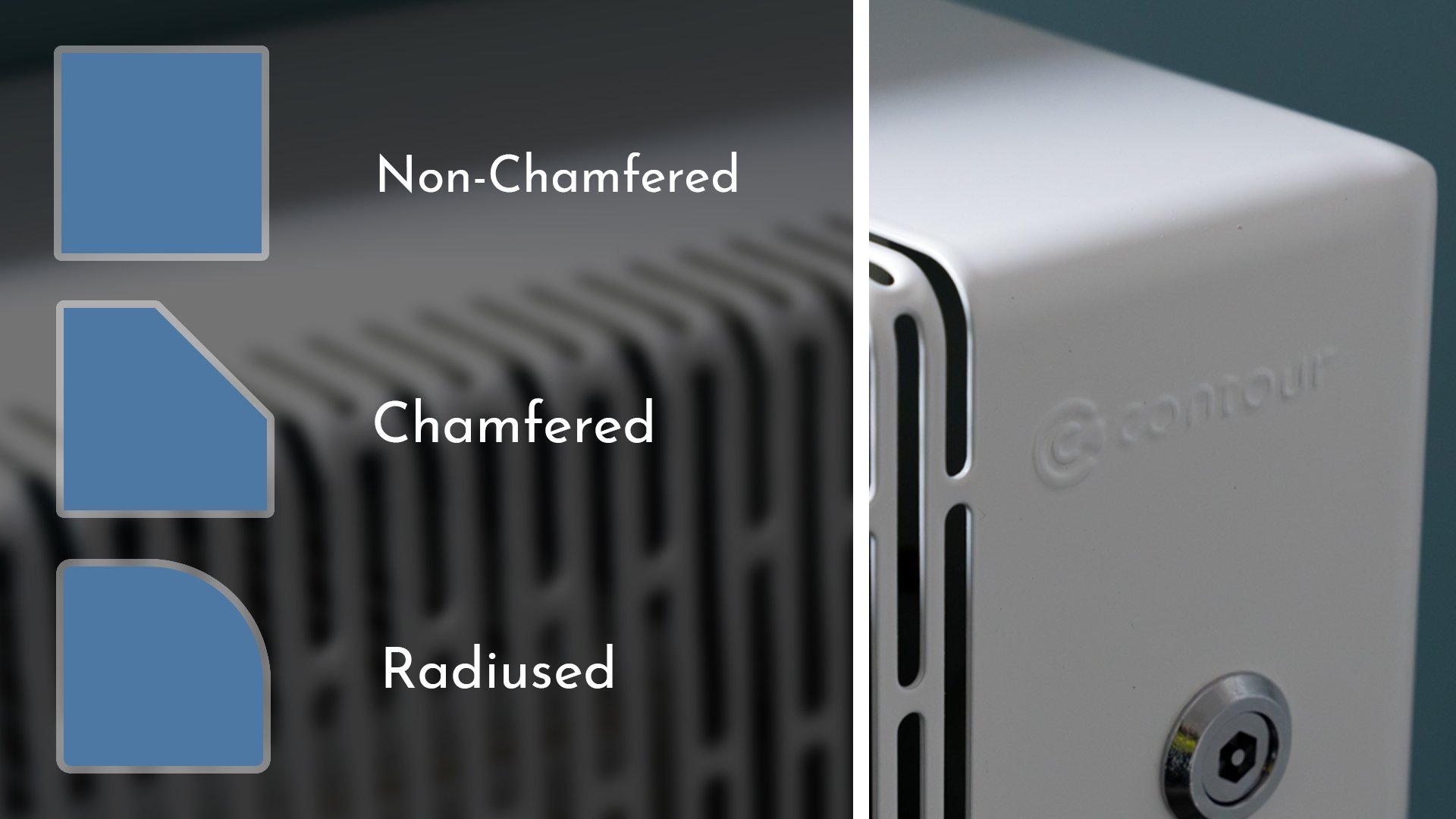
A radiused edge is a rounded face that replaces a sharp corner. It removes the harshest point of a corner, replacing it with a smoother and safer lip. In addition to safety, radiused edge gives a product a cleaner, less bulky appearance than a chamfered edge would.
A poorly designed edge can leave a gap, a dirt trap or a weak point where two panels meet.The true value of a radiused edge is anti-ligature intent, fixing strength and the ability to clean the surface properly.
Radiused does not automatically mean safer
The value of a radiused edge depends on the rest of the design around it. Cutting a sharp edge out is a good start, but a poorly detailed chamfer can still leave a gap, a projection or a shelf-like ledge nearby and that negates the benefit and creates a potential ligature risk.
Sloping-top designs: removing ledges and discouraging misuse
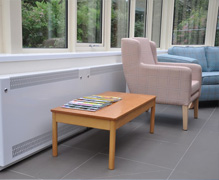
A sloping top replaces a flat, shelf-like surface with an angled one. A flat top on a radiator cover or casing becomes a place to put things, stand on, or climb. In a mental health ward, a SEND classroom or a secure unit, that's a risk worth designing out. A sloping top discourages objects being left on the casing and reduces the chance of it being used as a step or a seat.
A sloping top on anti-ligature radiator covers is practical, largely because it removes that flat surface. The slope angle, the fixing detail and the way the top meets the wall all need to be worked out together; get the wall junction wrong and a new ledge appears in place of the one that's been removed.
None of this can come at the cost of heat output, ventilation, cleaning access or maintenance.
A flat top does more than invite the risks already covered here. Drying clothes, stacked books and general clutter left on a flat-topped cover block the airflow the radiator relies on to heat the room properly, the kind of everyday obstruction shown below.
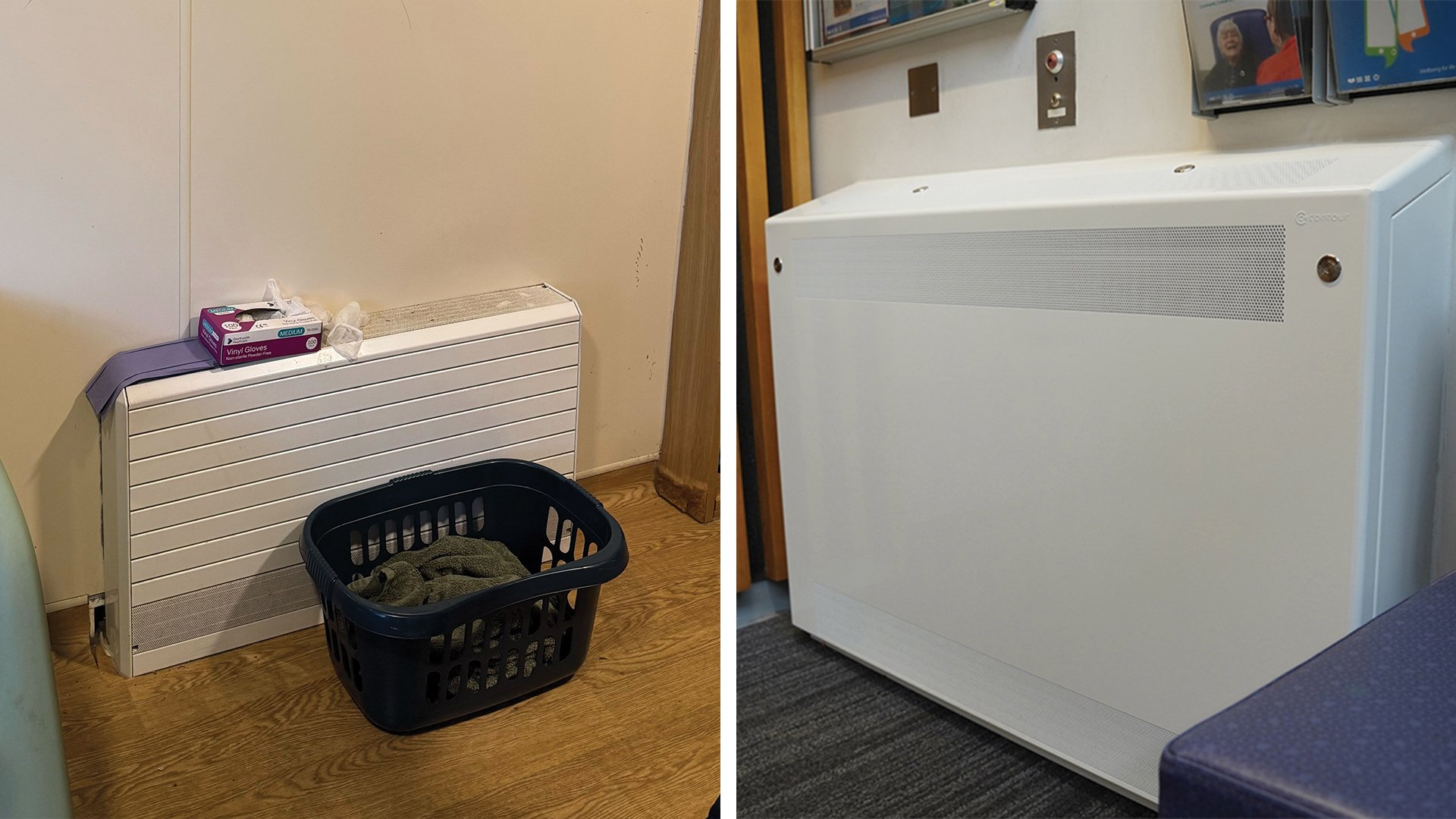 Example of a flat-topped radiator cover obstructed by drying clothes/clutter in contrast to a Contour’s slope top.
It's a second-order benefit of the slope, not the main reason for it, but worth noting: when that airflow is blocked, the system runs harder to compensate, and the difference shows up as wasted energy on the heating bill. This not only works against the energy-efficiency, Net Zero but, ultimately, costs the trust more in the long run.
A sloping top still needs to let the radiator do its job, and it still needs to open up properly for cleaning.
The top surface is part of the risk assessment
Specifiers reviewing a product shouldn't stop at the front face. The top, the sides, the corners, the fixings and the wall junction all carry some of the risk, and each needs the same level of attention as the one that's easiest to see.
How these features work together in a complete specification
Looked at individually: bullnose corners reduce harsh contact points, radiused details control corners and transitions, and sloping tops remove shelf-like surfaces. None of them should be judged on their own.
A product also needs secure fixings, appropriate access control, durable materials, a grille suited to the setting, and surfaces that can genuinely be cleaned. BioCote® antimicrobial protection, built into the powder coat finish as standard across Contour's range, is part of what makes that cleanability and infection control evident rather than a claim on a data sheet. Shape still has to do its share of the work, removing the dirt traps and hard-to-reach voids that a coating alone can't fix. In an anti-ligature environment, it's the whole assembly under review, not one visible feature on a data sheet.
The right balance also depends on the setting. A mental health ward, a SEND school, a healthcare corridor, a secure unit and a hospice each carry a different set of priorities, and a detail that's the right call in one setting may need a different level of attention in another.
Shape is one part of safer design, not the whole answer
A bullnose corner or a sloping top is a good sign, not a guarantee. The rest of the specification (fixings, grille, material, access) decides whether the product does what the shape suggests it should.
What specifiers should look for before choosing a product
A few questions are worth asking at design review stage, before a product gets specified:
- Are sharp edges, flat ledges and projecting corners addressed, rather than just noted in the description?
- Are external corners bullnosed, radiused or otherwise detailed with the setting in mind?
- Is the top surface sloped where the space calls for it, rather than flat as standard?
- Are fixings internal and resistant to tampering?
- Can the product be opened, cleaned and maintained without damage to the casing?
- Does the design avoid dirt traps and voids that are hard to reach?
- Are terms such as "anti-ligature" backed by specific design detail rather than general wording?
Questions to ask during design
These work best as part of a conversation with the manufacturer. A supplier who can talk through the reasoning behind a detail, not just list it, is usually the one who's thought it through properly.
The small details that make safer environments work
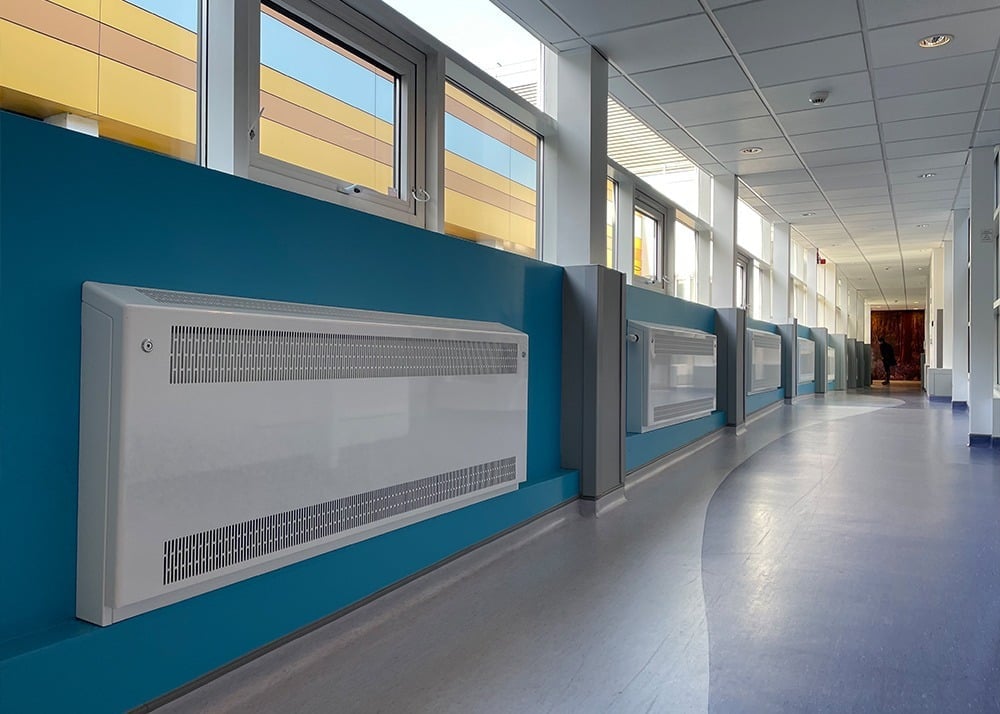
Bullnose edges, radiused corners and sloping tops are practical responses to problems that show up in hospital wards, classrooms and corridors. Their worth comes from reducing avoidable hazards without making a space feel harsh or institutional.
Safer product design comes down to how shape, strength, access and scheduled cleaning sit together, and how well the product is actually installed. For specifiers, the useful question isn't whether a product has one of these features. It's how the whole thing behaves once it's on the wall.
When reviewing radiator covers or specialist casings for high-risk environments, look closely at the edges, corners and top surfaces. They often tell you more about the quality of the design than the headline claim.
Discover the full range here.

%20(1).png)
/anti-ligature%20vent%20grilles.jpg)