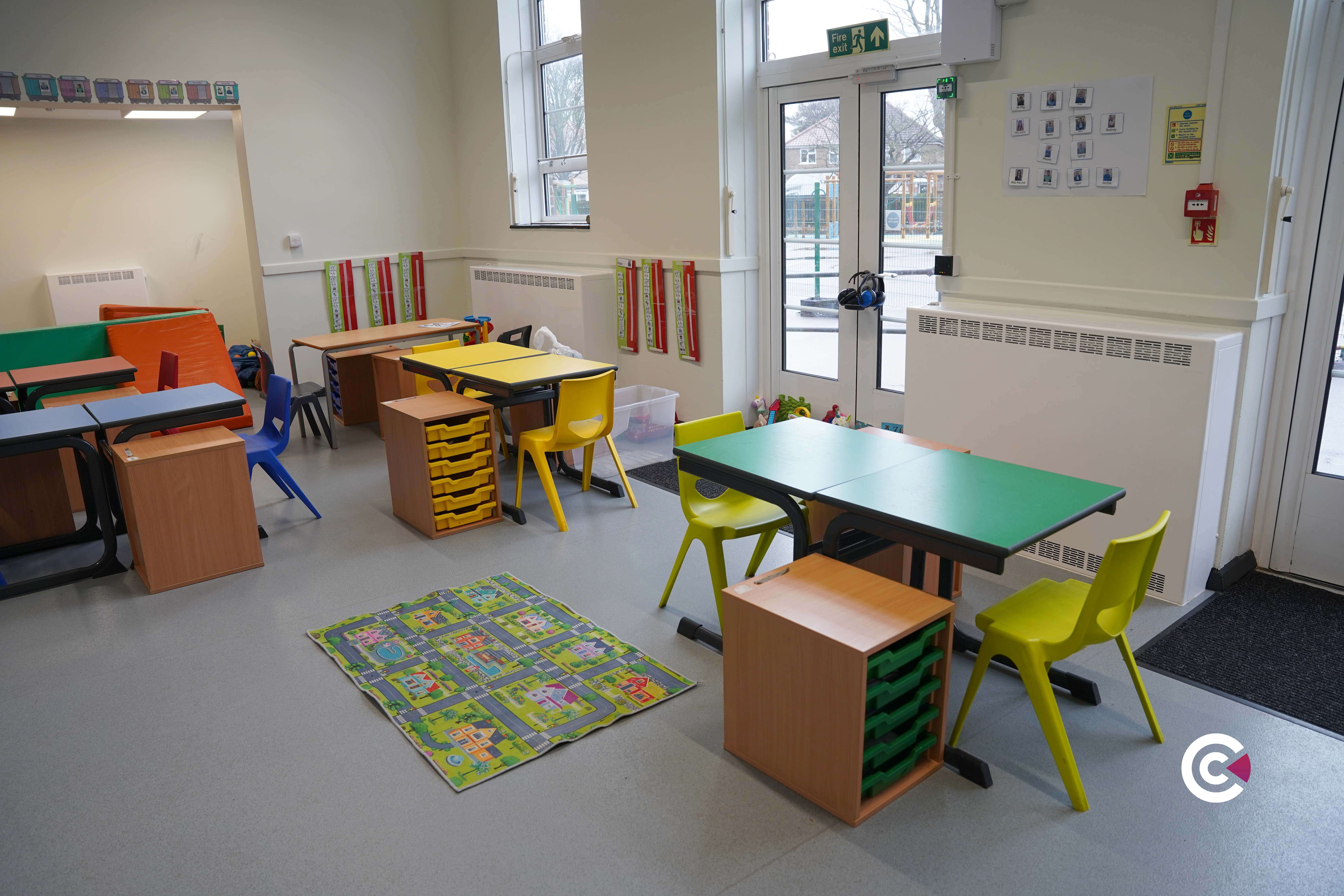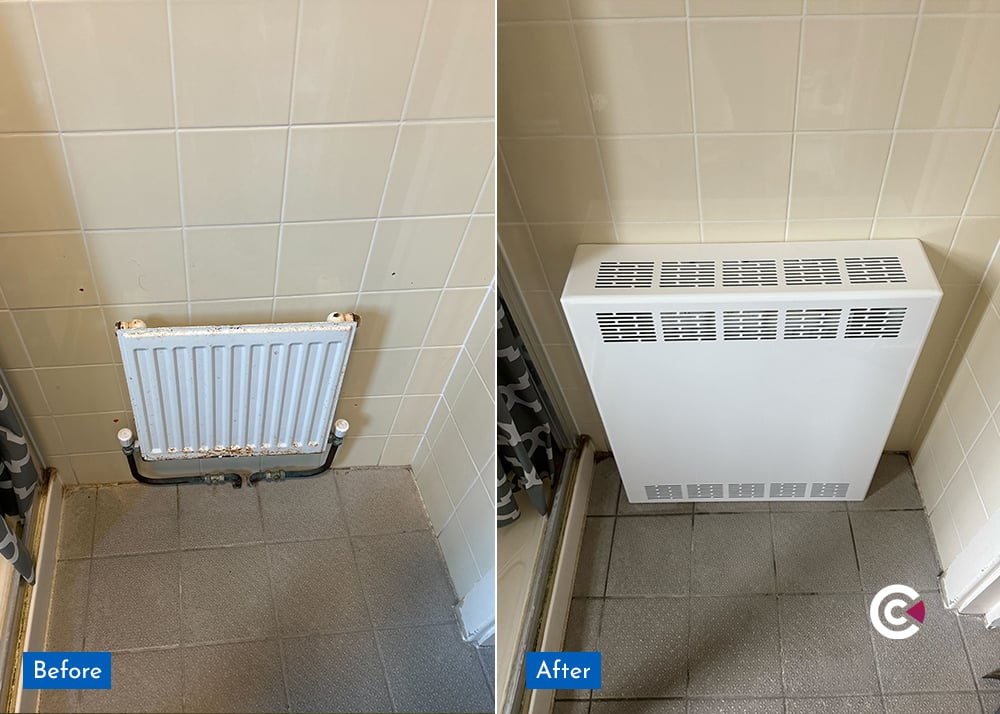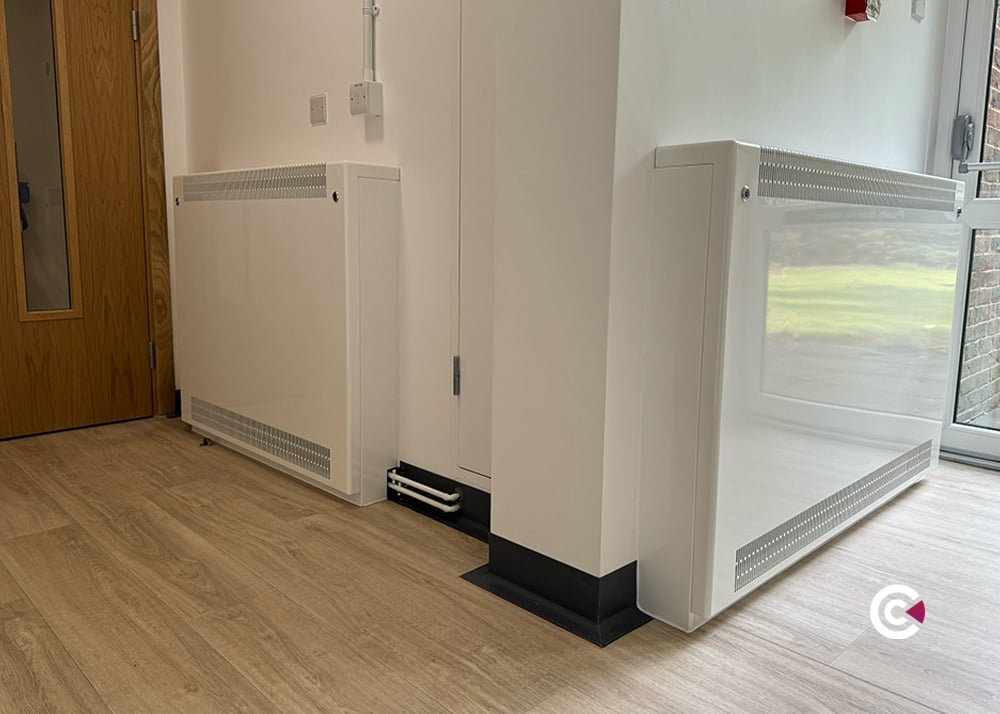
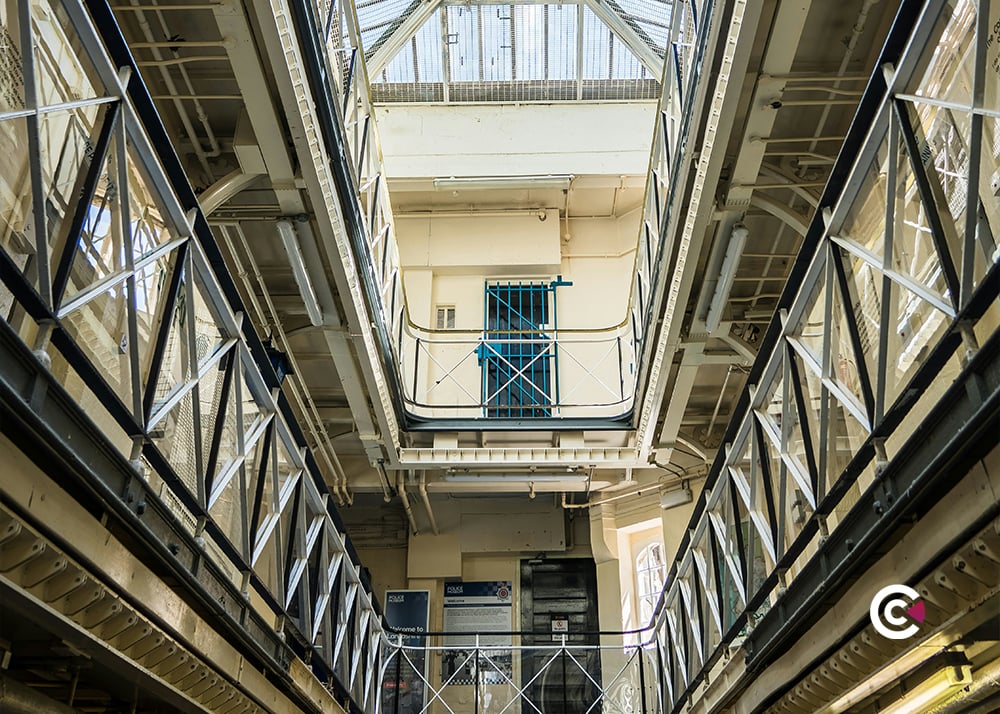
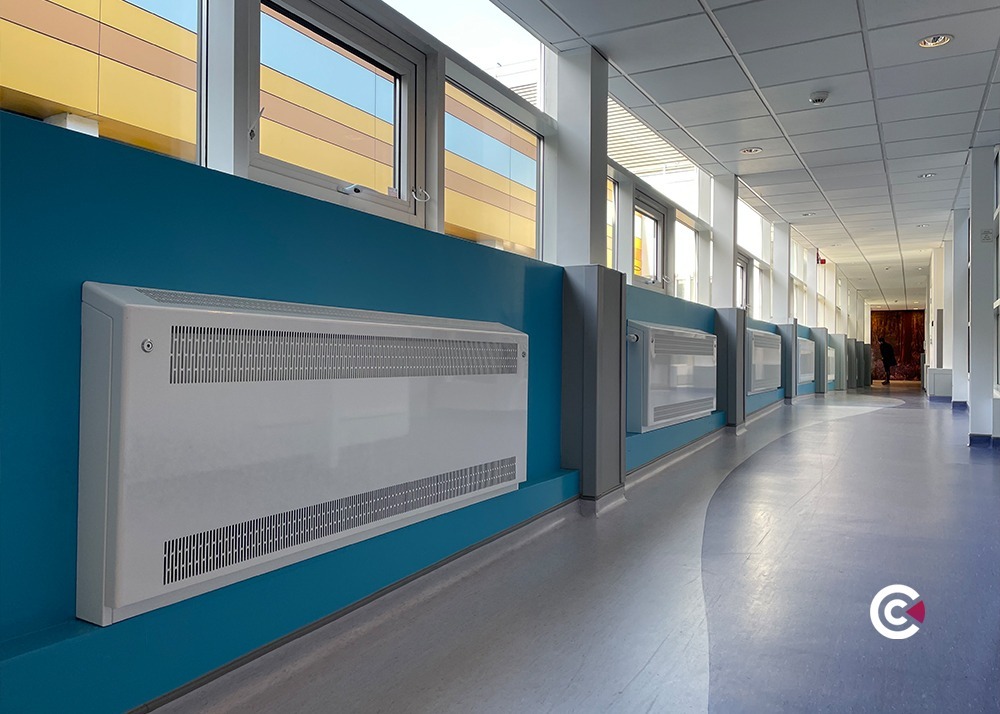



A psychiatric intensive care unit (PICU) cares for adults whose risk to themselves or others is too high for an open acute ward. Stays are usually short, and patients are often at their most vulnerable. Every fixture in the unit, including the heating, needs to stand up to that.
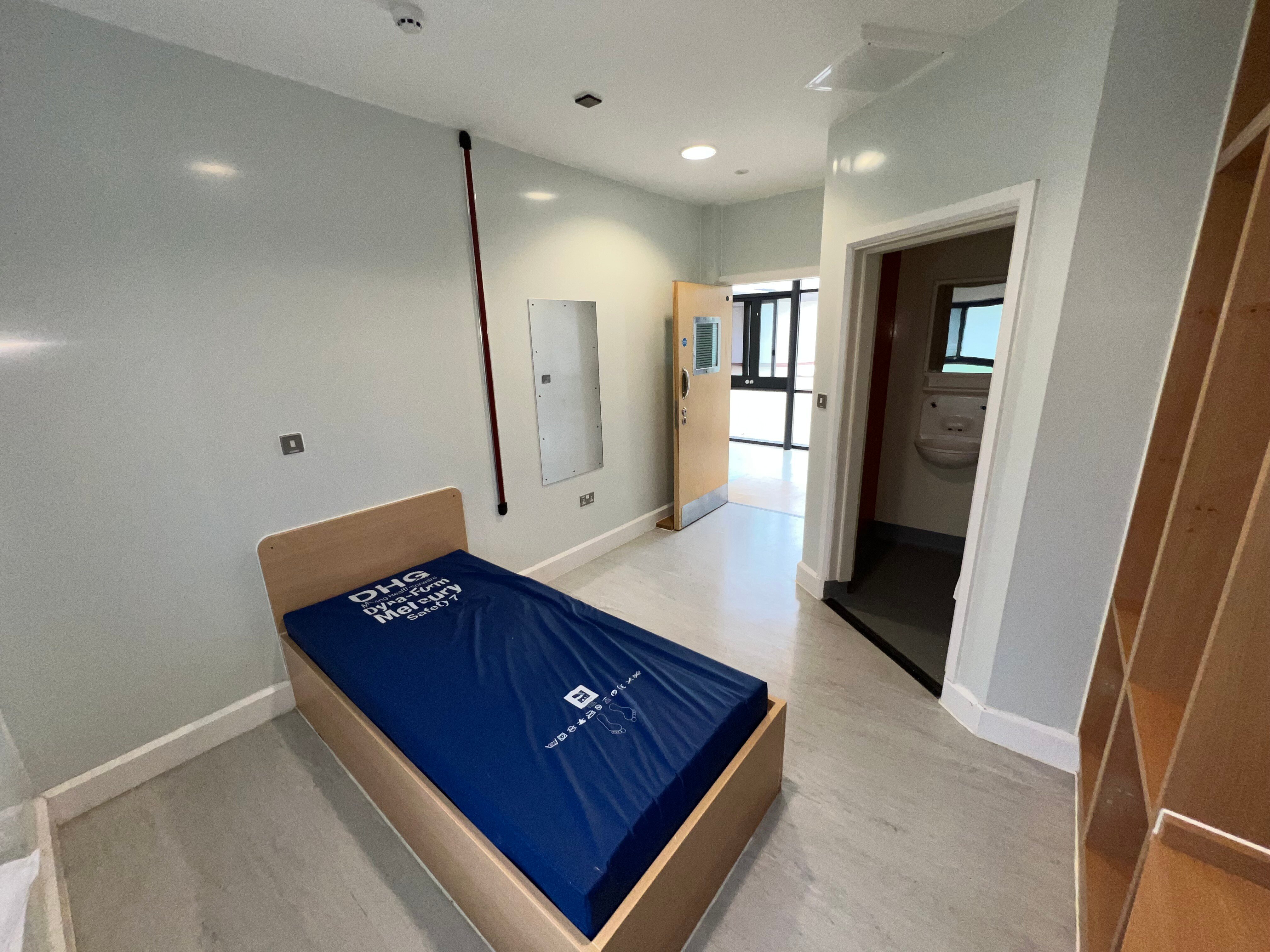
Why Heating Needs Particular Care in a PICU
Ligature risk is not only high up. NCISH found that, where information was available, 92% of on-ward hanging deaths between 2011 and 2021 involved a low-lying ligature point. A standard radiator, its valves and the pipework around it are all at that height.
- Damage. Distress and agitation can lead to fixtures being kicked, hit or pulled. A radiator cover that breaks can leave sharp edges that may be used to self-harm or hurt others.
- Concealment. PICUs increasingly let patients keep more of their belongings, which supports dignity and recovery. It also means more items that could be hidden behind or inside a radiator.
- Comfort. Rooms that are too hot or too cold add to distress. Patients should still be able to stay comfortable, safely.
What to Look For in a PICU Radiator
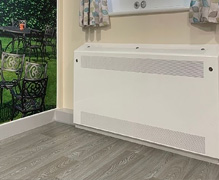
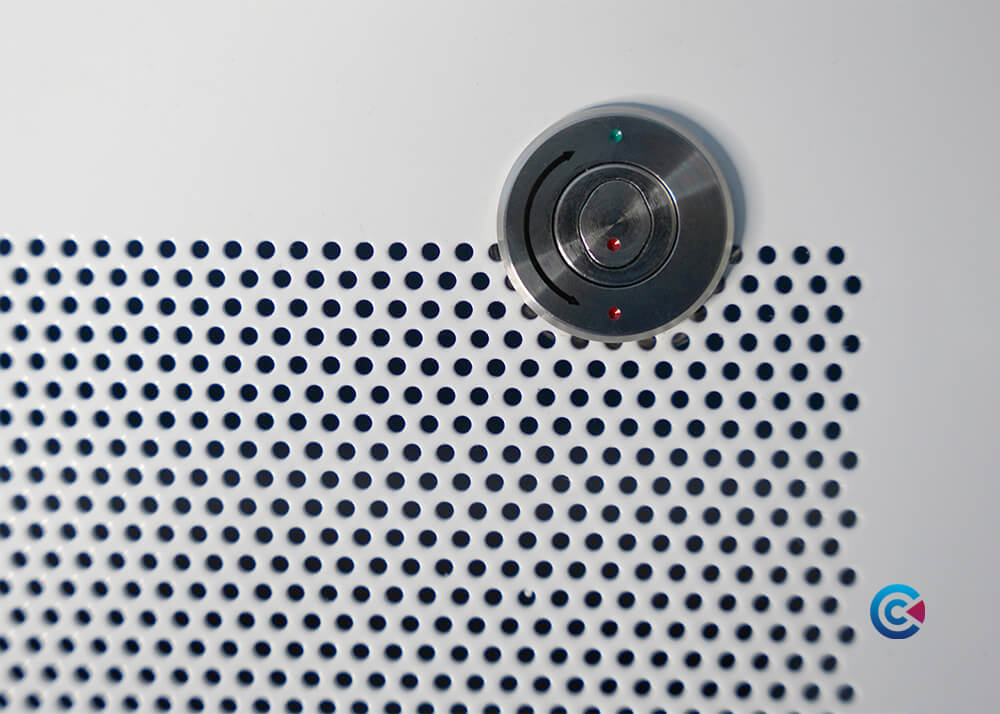
- A small-hole grille. 2mm holes at 4mm centres, tested by a UKAS-accredited lab to exceed IP3X (BS EN 60529). Why this pattern?
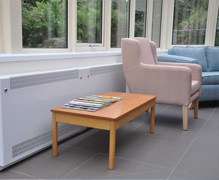
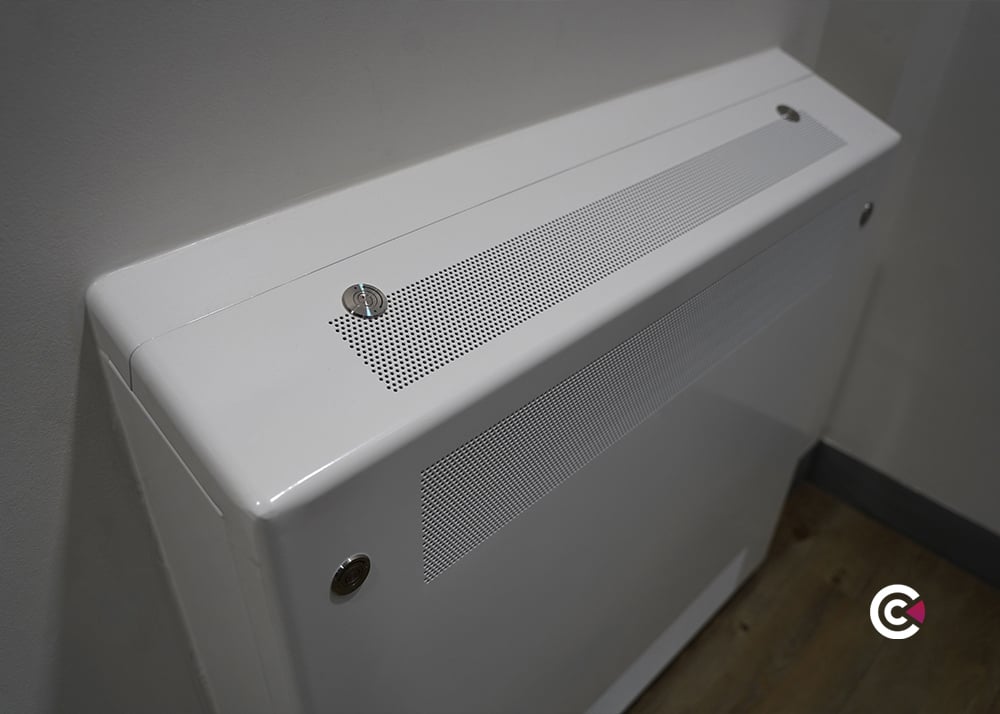
- No gaps to the wall. The cover should fit tightly, with an open-ended shoulder where a gap to an adjacent wall would otherwise be left.
- Few joints. Fewer seams mean fewer places to grip, prise or hide things.
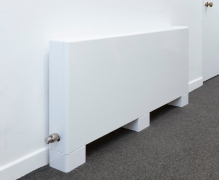
- Rounded corners and no sharp edges. Bullnose corners reduce injury from falls or impact.
- Heavy-gauge steel. We recommend 2mm Zintec steel in PICUs, with optional strengthening struts on longer covers. Use Magnelis in en-suites.
- Security fixings and locks. Hidden fixings, with access for authorised staff only.
- Protected valves. Valves inside the cover or behind an anti-ligature shroud, so patients can adjust their temperature without creating a ligature point.
Contour's DeepClean Extra covers meet all seven and are made to measure for each room. They also open fully for cleaning by a single member of staff, and come with a two-year warranty.

For the full specification checklist, see our radiator cover specification guide. Working on a place of safety too? Read about Section 136 suites.
Planning a PICU refurbishment? Arrange a free site survey, or start with our complete guide to anti-ligature.
If you've been affected by any of the issues in this article, Samaritans are available day or night on 116 123.
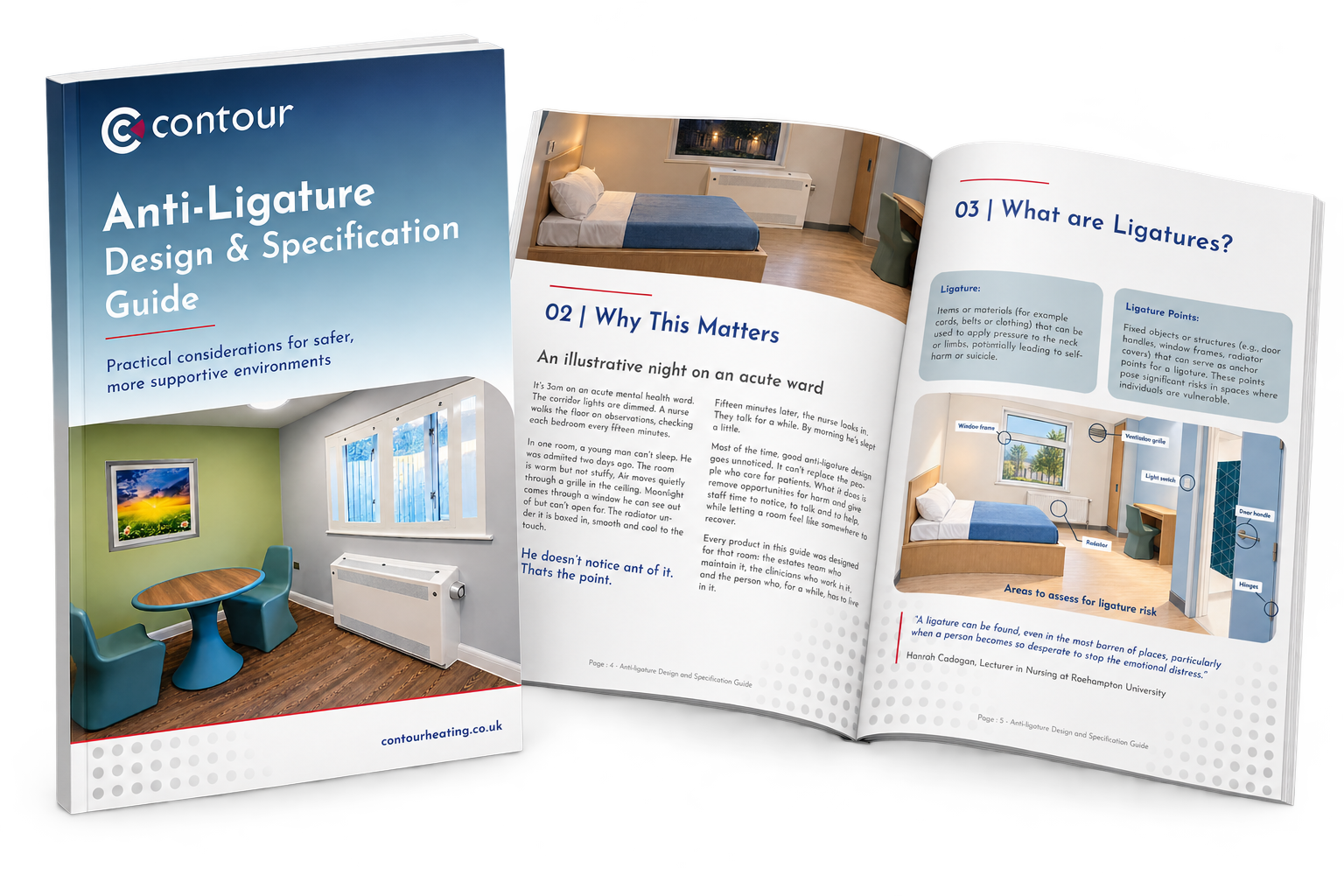
Free download
A Guide to Anti-Ligature Design
Standards, product requirements and what to ask suppliers, in one free guide you can keep and share with your project team.
Frequently asked questions
What is a PICU?
A psychiatric intensive care unit cares for adults whose risk to themselves or others is too high for an open acute ward. Stays are usually short.
What steel gauge should a PICU radiator cover use?
We recommend 2mm Zintec steel in PICUs, with optional strengthening struts on longer covers, and Magnelis in en-suites.
Can patients still control their room temperature?
Yes. Valves sit inside the cover or behind an anti-ligature shroud, so patients can adjust their temperature without creating a ligature point.