-1.png)








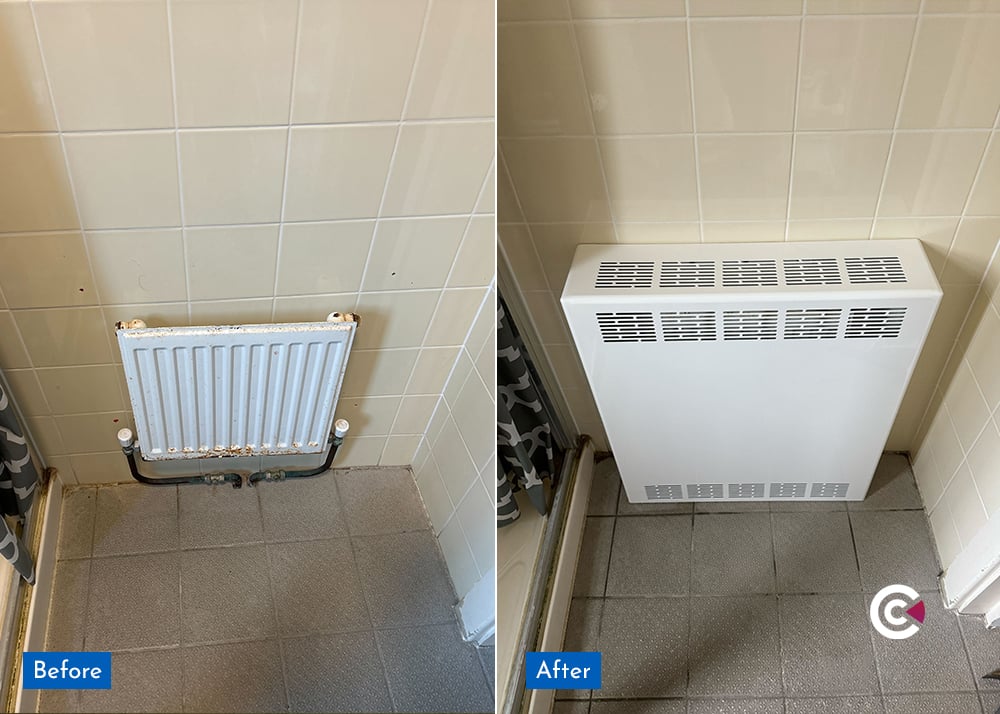
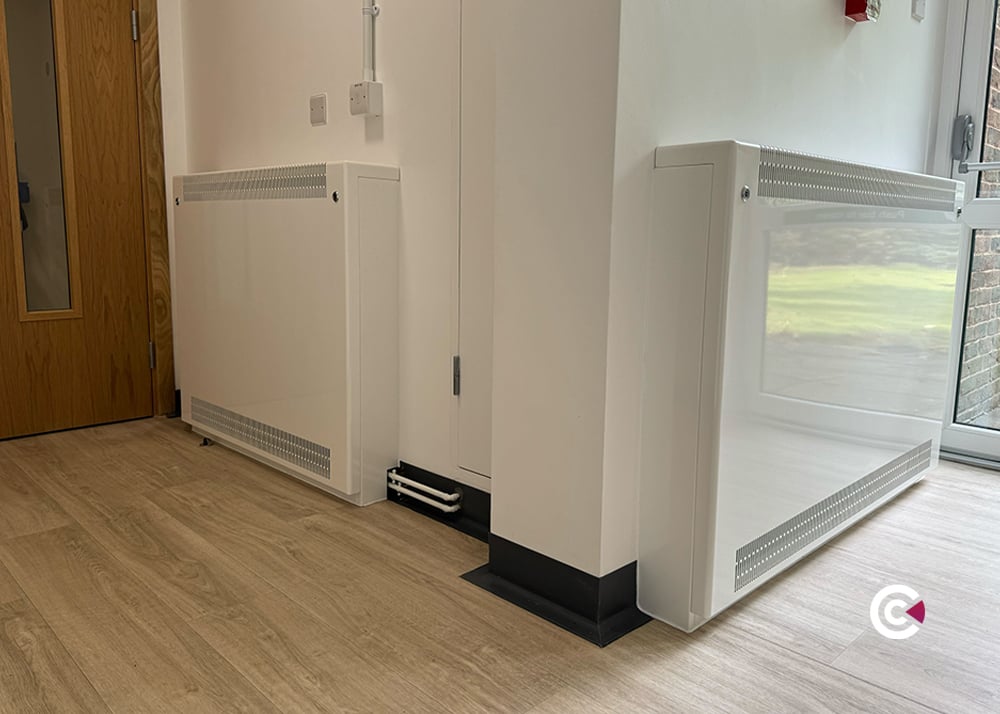
An anti-ligature radiator installation in a mental health ward has to do more than provide heat. It has to reduce foreseeable risk, stand up to daily use, and stay accessible for inspection, cleaning and repair sometimes on the same visit. For NHS Estates managers, the radiator cover itself is only one part of that installation. A cover that looks compliant on a data sheet can still leave problems in the joints, the fixings, the ventilation or the thermostat behind it.
This guide sets out what to check across the complete installation, not just the product on the wall.
What is an anti-ligature radiator cover?
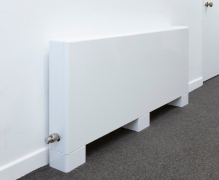
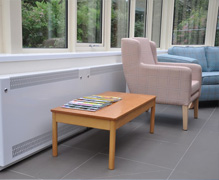
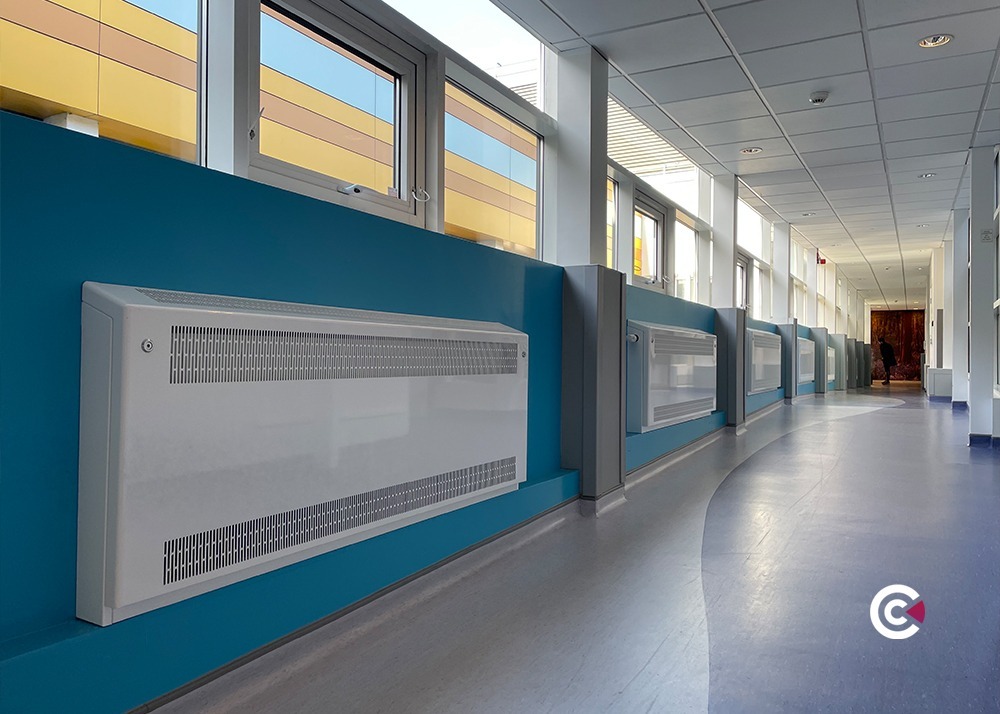
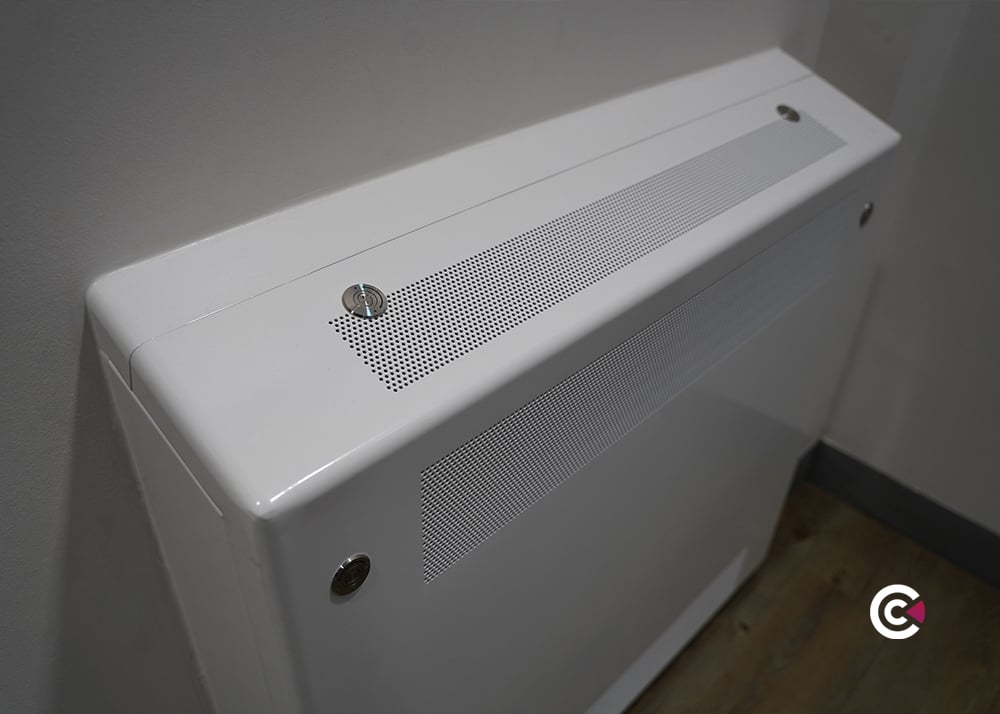
An anti-ligature radiator cover is a secure casing built to reduce the opportunities a patient has to attach a cord, sheet or other material to a radiator installation. That description covers a set of design characteristics rather than one fixed shape:
- IP3X rated grille that prevents items being passed through the casing and reduces ligature points
- Minimal gaps, ledges and accessible edges
- Tamper-resistant, concealed fixings
- Construction built for high impact use in an occupied ward
- Enclosed valves and pipework where the room risk assessment calls for it
- Rounded, bullnose corners
"Anti-ligature" describes design intent and risk reduction. It isn't a claim that an installation removes all risk. Health Building Note 03-01 sets out NHS England's design guidance for adult acute mental health units, and secure settings often need supplementary guidance and a local risk assessment on top of it. For more depth read our blog on HBN guidance & NHS compliance
Anti-ligature and LST radiators are not the same thing
Anti-ligature design and LST (low surface temperature) design solve different problems, and it's easy to conflate the two in a specification.
Anti-ligature design addresses attachment, tampering and misuse. LST design addresses contact-burn risk, by controlling the temperature a patient can actually touch. A product can offer one without the other, a cover can be anti-ligature without being LST-rated, and the reverse is also possible. Where a bedroom, seclusion room, PICU or assessment area calls for both, each needs verifying separately against the room's risk assessment.
There's a second point worth checking early: enclosing a radiator changes airflow, and that changes heat output. A manufacturer should provide output data for the radiator and cover as an installed pair, not just the bare radiator's rating. Contour's published output tables for the DeepClean Extra range already factor in the output reduction typical of enclosed grille designs around 20% for anti-ligature grilles and around 11% for standard LST grilles, so the figures quoted are f or the installed arrangement.
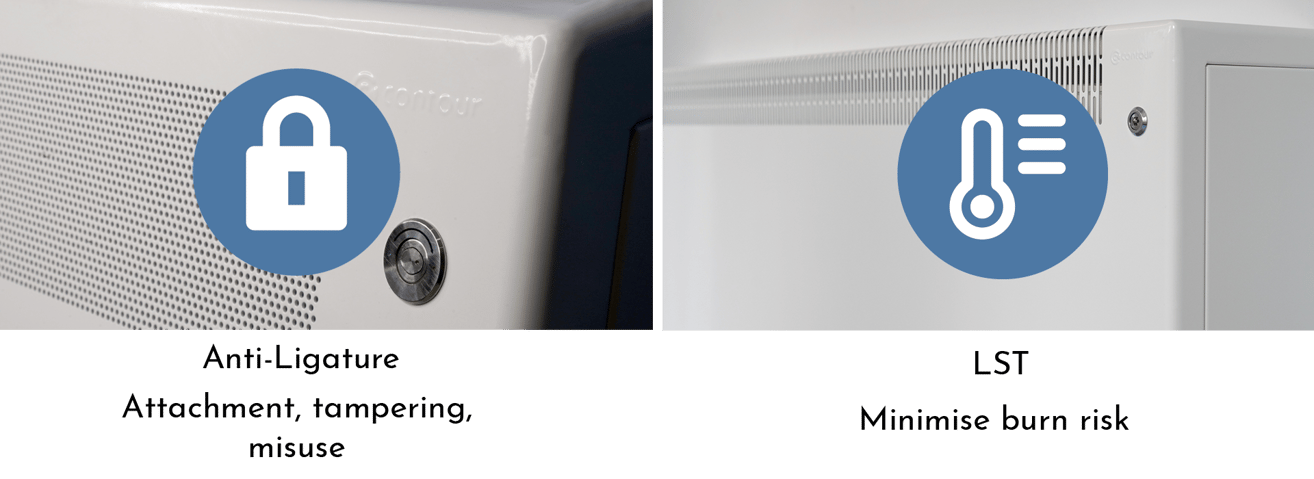
Specification mistake: assuming every anti-ligature cover is automatically an LST heating solution.
The features NHS Estates teams should examine
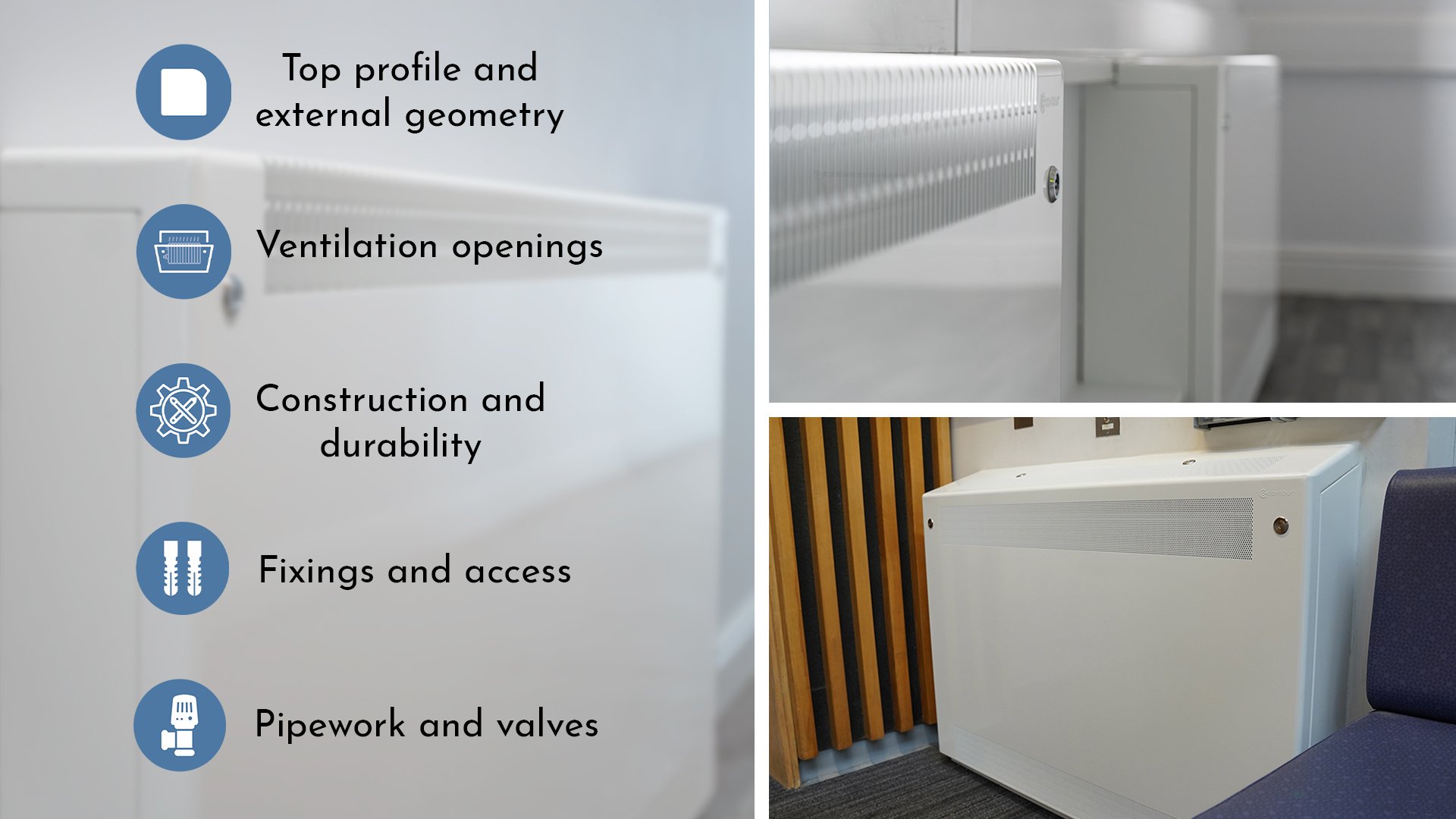
Top profile and external geometry:
- Sloping top where the room risk assessment calls for it
- No accessible lips, rails or projecting edges
- Rounded corners
- Minimal joints and gaps
No single slope angle is universally safe, suitability depends on the whole design and the room it sits in.
Ventilation openings
- Openings sized and detailed to resist tampering
- Internal mesh or perforated construction where specified
- No sharp edges
- Sufficient free area to maintain heating performance
Construction and durability
- Material thickness matched to the expected level of use
- Resistance to impact, deformation and repeated use
- Finishes that can be repaired rather than replaced
Fixings and access
- Tamper-resistant external fixings
- Concealed or protected mounting points
- Secure locks or controlled-access arrangements
- No loose components accessible to patients
Pipework and valves
- Tight, securely detailed pipe entries
- No exposed brackets or accessible gaps
- Valve and TRV protection built into the specification, not added afterwards
Do you also need anti-ligature thermostat covers?
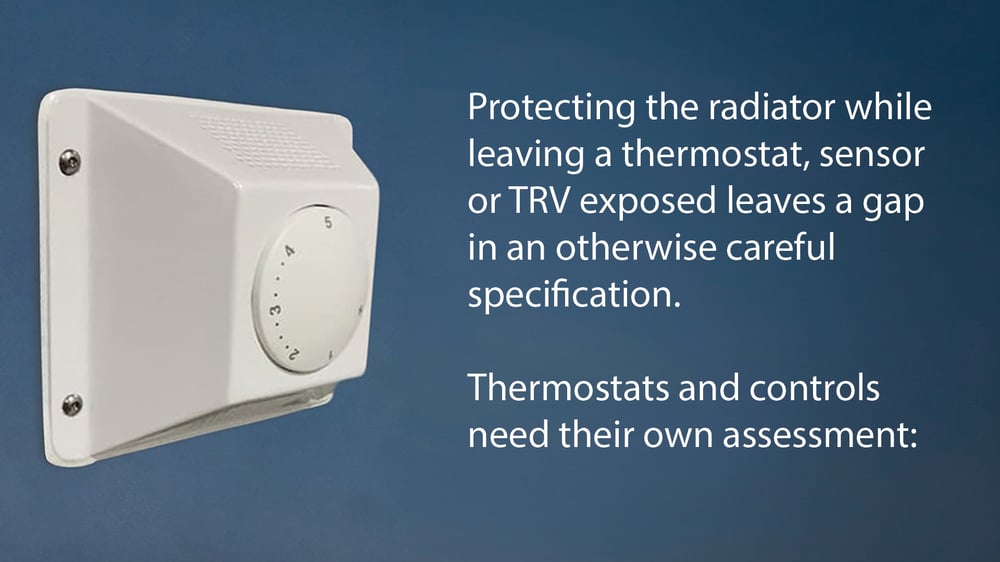
- Check knobs, projections, apertures and removable parts separately from the radiator cover
- However a most residential patients must be able to adjust their room temperature
- Keep adequate airflow around temperature sensors
- Retain access for authorised maintenance staff
- Avoid positioning a cover in a way that distorts temperature readings
Thermostat protection belongs in the room-level risk assessment. It isn't something to add to every project by default.
The best way to clean behind radiators and secure covers
The best way to clean behind radiators and secure covers is to design cleaning access into the installation from the outset, rather than relying on staff to remove a heavy cover whenever dust becomes visible. A workable process looks like this:
- Follow your Trust's local cleaning policy and risk assessment
- Restrict unlocking or removal to authorised staff
- Isolate or cool the heating system where the method statement requires it
- Open or remove the access section using the specified tool or key
- Clean the cover interior, radiator surfaces, fins, pipework and surrounding wall or floor
- Inspect for damage, loose fixings, corrosion and trapped items
- Re-secure the cover and record any defects
The National Standards of Healthcare Cleanliness 2025 require every element within a functional area to meet a defined performance parameter and cleaning frequency based on the ward's functional risk category: a radiator and its cover sits within that same schedule, not outside it. A cover with a controlled access panel, of the kind used across Contour's DeepClean Extra range, lets a cleaning operative reach internal and external surfaces without dismantling the guard, reducing how often Estates needs to get involved in routine cleaning.

Questions to ask before approving a specification
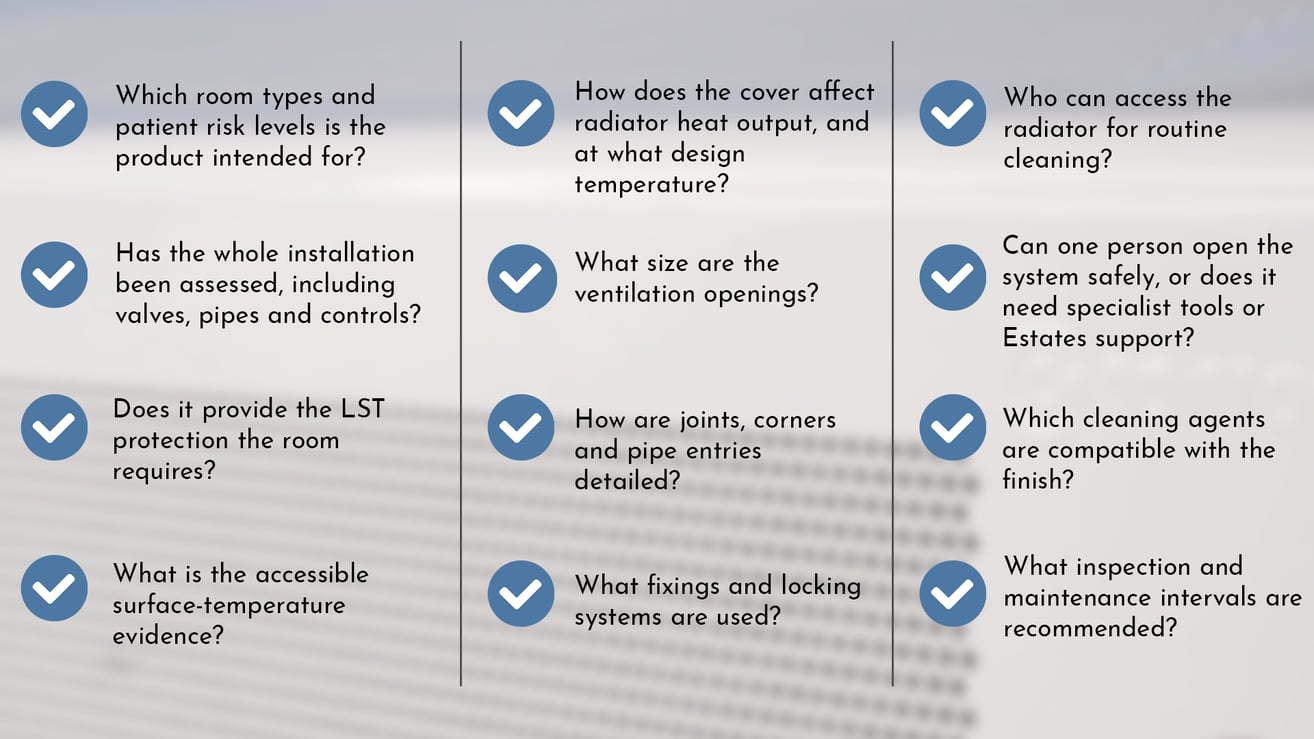
Record the answers in the room data sheet, specification or planned preventive maintenance documentation, it saves re-asking the same questions at the next phase.
Avoid these common specification mistakes
- Selecting on the phrase "anti-ligature" alone
- Focusing on the sloping top while overlooking gaps and fixings
- Assuming anti-ligature and LST mean the same thing
- Leaving cleaning and maintenance access unresolved until after installation.
A cover that's difficult to open tends to stay closed. A cover that opens too easily brings a different risk. Neither serves the ward.
Specify the complete heating installation
An anti-ligature radiator cover only earns its place in the specification once safety, thermal performance, hygiene and maintainability have all been checked together, not in isolation

%20(1).png)

/anti-ligature%20vent%20grilles.jpg)