-1.png)






Heating That Works as Hard as the Environment It Serves
Most radiator covers in a hospital ward attract little attention — until they cause a problem. A product that traps dust and resists cleaning draws IPC scrutiny. One with exposed edges or anchor points in a mental health setting becomes a safety concern. A cover that takes two people and 30 minutes to open for routine maintenance quietly drains estate resources.
DeepClean Extra was designed & built around those realities. This article sets out what NHS guidance and CQC expectations actually require in healthcare heating specification, and where DeepClean Extra is designed to support them.
Why HBN and CQC expectations matter in healthcare environments
Health Building Notes (HBNs) are NHS design guidance documents. They set out best practice for the planning and construction of healthcare facilities, and they carry significant weight with Trust estates teams, specifiers, and CQC inspectors — even where they are not, strictly speaking, mandatory in every detail.
In practice, NHS Trusts treat HBN guidance as the standard they are expected to meet. A specification that cannot be traced back to HBN requirements is hard for a trust to justify. A CQC inspection that flags a non-compliant environment — whether for infection control, patient safety, or ligature risk — creates real consequences: formal notices, regulatory ratings, and in mental health settings, the potential for serious incident investigations.
Two HBNs are particularly relevant to heating specification:
- HBN 03-01 (Adult acute mental health units) — sets design expectations for inpatient mental health environments, including requirements around ligature risk, patient safety, and therapeutic environment quality.
- HBN 00-09 (Infection control in the built environment) — sets out infection prevention and control (IPC) design principles across all healthcare settings, including the importance of cleanability and designed-in hygiene for fixed building components.
What HBN 03-01 means for adult mental health and heating specification
HBN 03-01 is direct about the standard expected in unobserved or semi-supervised patient areas. Spaces such as bedrooms, en-suites, and bathrooms should be designed, constructed, and furnished to make self-harm or ligature attachment as difficult as possible. All fittings and fixtures in those spaces — including heating — must be reviewed against that principle.
Hanging remains the most common method of inpatient suicide in NHS mental health settings. That places every fixed fitting in a patient-accessible space under scrutiny. Radiators are no exception. A standard radiator cover with open grilles, protruding brackets, or accessible pipe connections can create anchor points that a ligature could be attached to.
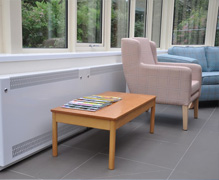
HBN 03-01 also addresses the environment more broadly: spaces should feel calm and domestic, not institutional. Products that look clinical, imposing, or visually out of place work against the therapeutic intent of the environment — and CQC inspectors consider this alongside hard safety metrics. The challenge for estates teams and specifiers is meeting both requirements in the same product.
What HBN 00-09 means for infection control in the built environment
HBN 00-09 establishes the principle that infection prevention and control should be designed into a building, not retrofitted after the fact. IPC teams should be consulted at every stage of a capital project, and product selections should be assessed for how well they support ongoing cleaning and decontamination requirements.
For heating equipment, this translates into several practical expectations. Surfaces should be smooth and free of unnecessary features that trap dust, organic matter, or moisture. Cleaning access should be straightforward enough for regular operatives to carry out efficiently without specialist tools or assistance. Products with textured finishes, inaccessible internal spaces, or grilles that cannot be properly wiped down are likely to attract ire of IPC teams, often late in a design programme, creating pressure on estates teams and specifiers alike.
The NHS National Standards of Cleanliness set out the frequency at which ward equipment is expected to be cleaned. In practice, a radiator cover that takes two people and 30 minutes to open, clean internally, and refit will rarely meet those schedules in a busy clinical environment. That gap between what the standard requires and what the product allows is where infection risks accumulate.
Where DeepClean Extra fits into these requirements
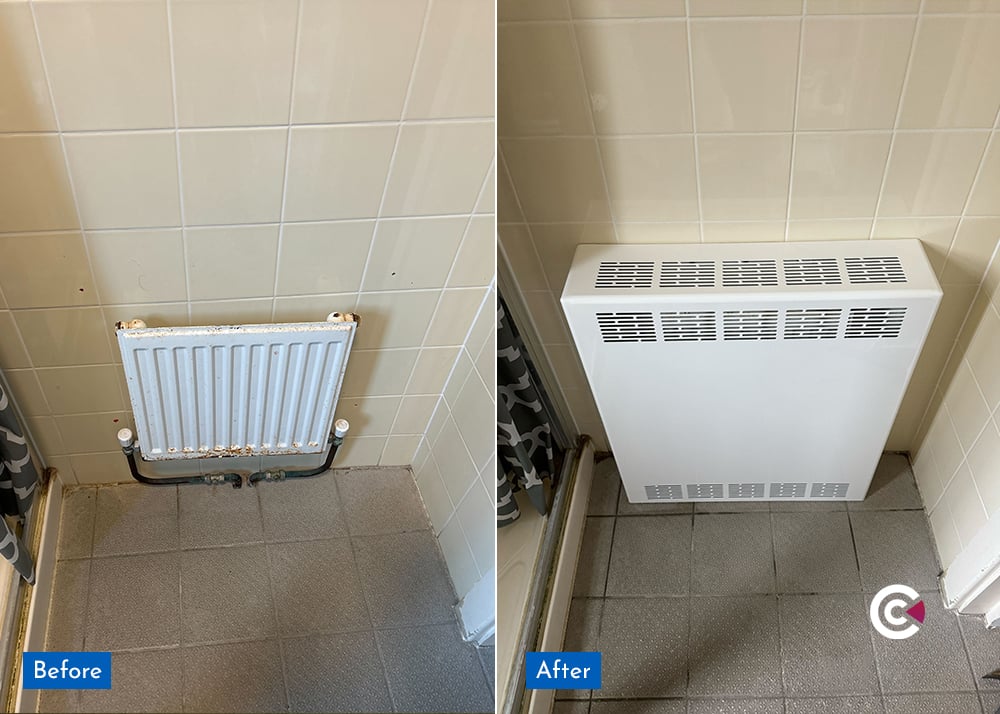
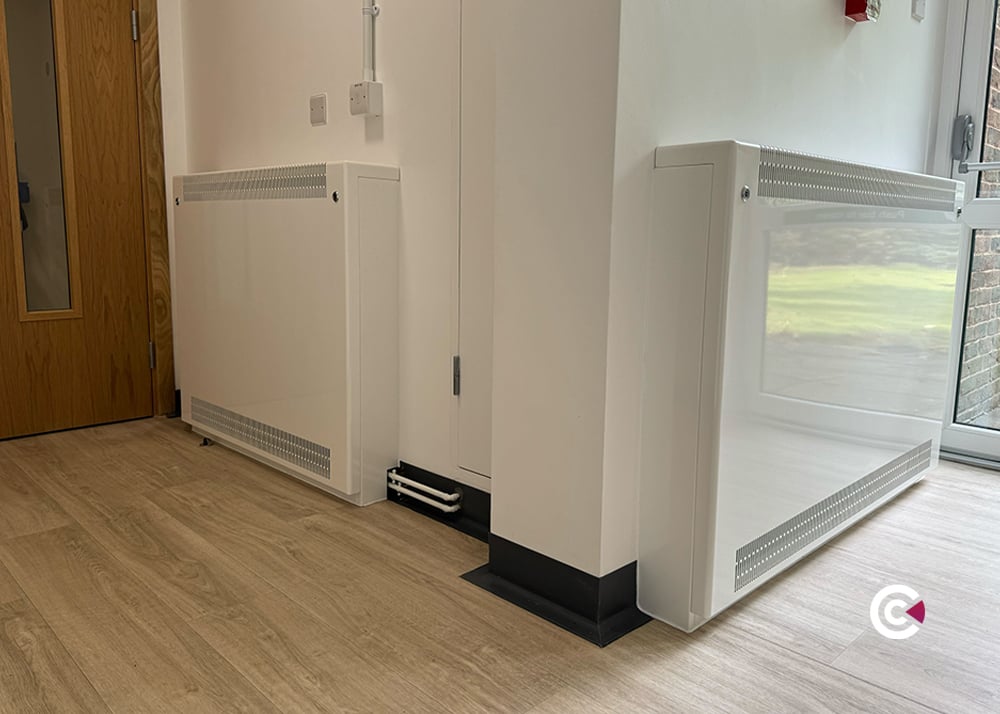
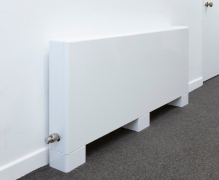
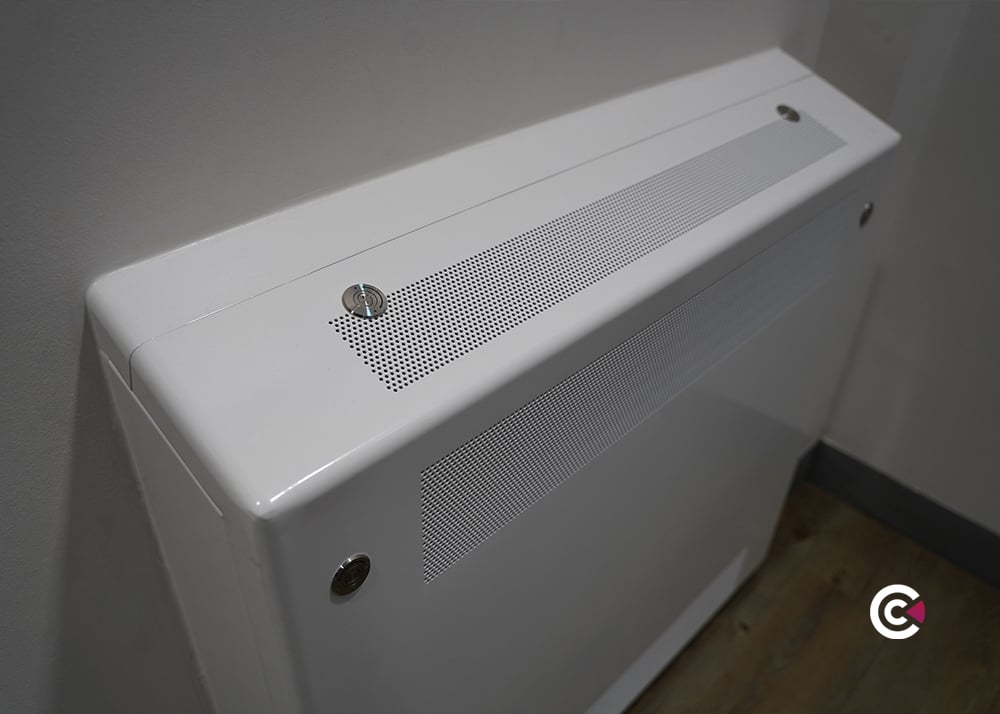
DeepClean Extra is Contour's specialist range for secure and high-risk healthcare environments. It is not a standard radiator cover adapted for clinical use — it is a product range built from the ground up for settings where cleaning access, infection control, patient safety, and durability all matter simultaneously.
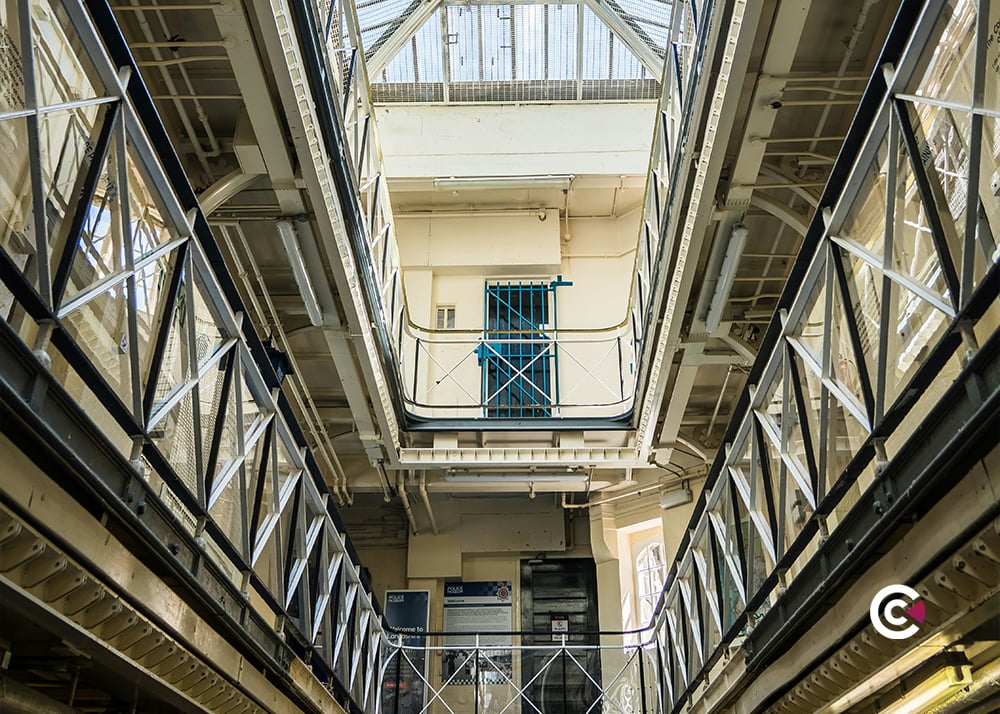
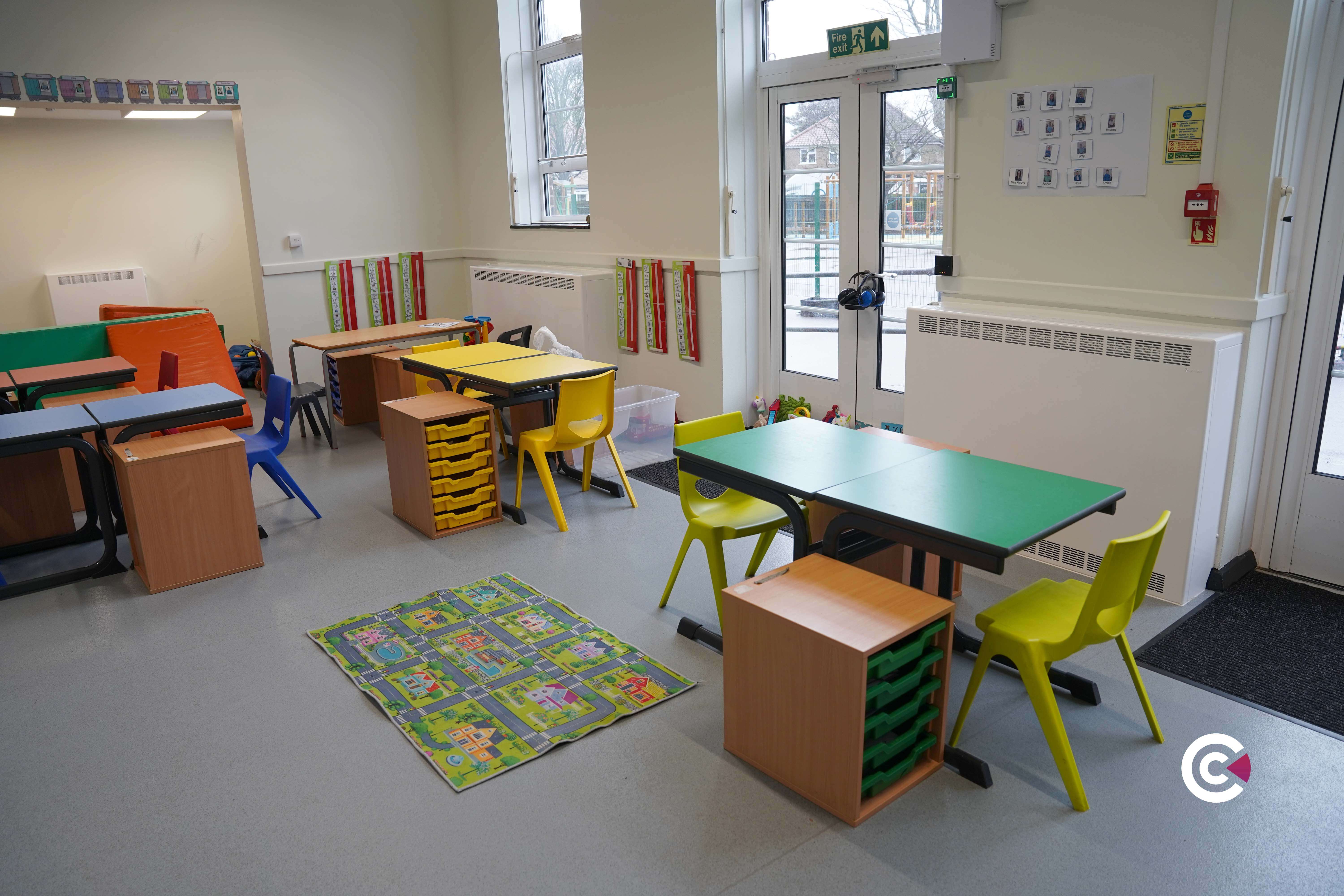
The range is designed for installation in mental health facilities, adult acute wards, PICUs, seclusion rooms, community units, SEN and SEMH schools, and custodial settings. These are environments where a product has to function reliably under sustained use, pass IPC sign-off, satisfy patient safety review, and continue to look presentable over years of service.
Key features:
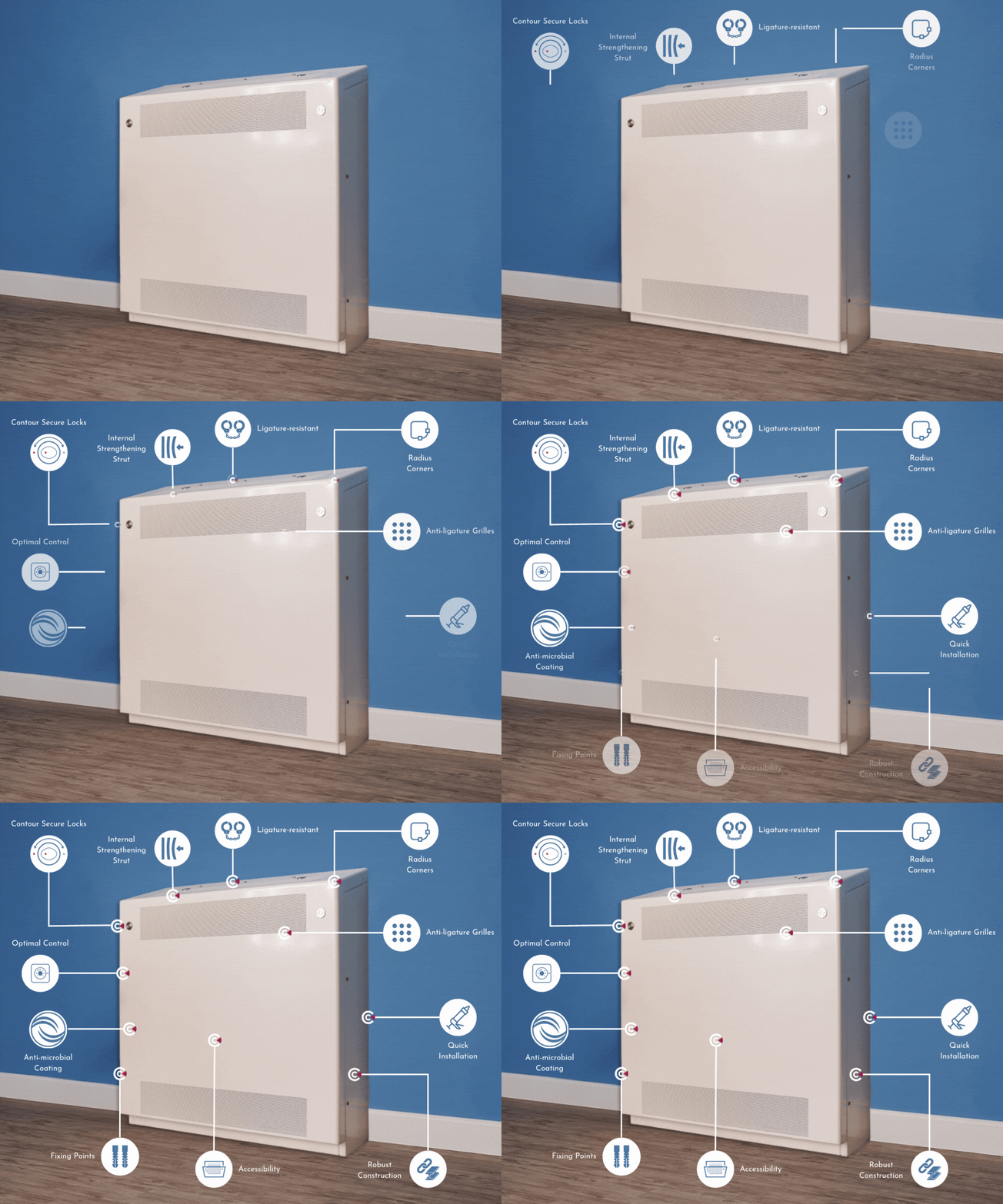
Drop-down front access panel
The full-length drop-down door opens flat, giving one operative unobstructed access to the radiator interior, the back panel, the floor, and the wall behind — all from the front, without removing the unit from the wall. In our experience, this single feature accounts for most of the cleaning time saving compared with traditional LST covers.
One operative can clean a DeepClean Extra unit in around five minutes. A standard LST cover in comparable settings typically requires two operatives and 30 minutes or more. At 35 radiators across a ward, that difference is measurable in staff days per week. With multiple wards across an estate it is easy to see how the efficiency multiplies.
IP3X-rated grille — tested to BS EN 60529
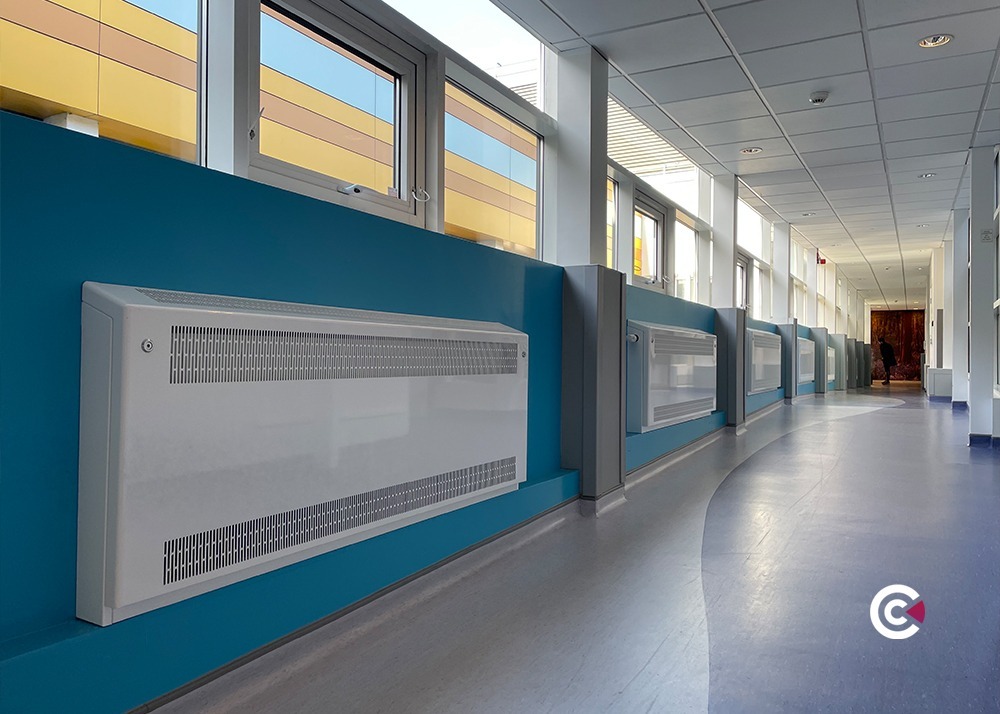
The grille design uses 2mm holes at 4mm centres, tested to IP3X standards by a UKAS-accredited laboratory. The certification confirms that objects greater than 2.5mm in diameter cannot be inserted through the grille. This reduces the opportunity to introduce objects that could be used to create ligature points, and it eliminates the open grille geometry that IPC teams typically flag in standard radiator covers.
IP3X certification provides an objective, documented basis for specifying the product — useful for O&M manuals and CQC inspection documentation alike.
1.5 mm or 2mm Zintec or Magnelis steel construction
Standard-weight sheet steel is adequate for many applications. In PICUs, seclusion rooms, and high-dependency mental health wards, it is not. Products that dent, deform, or crack under impact create two problems: they stop performing their safety function, and they generate replacement costs and periods of non-compliance while replacements are ordered and installed.
DeepClean Extra uses 1.5mm or 2mm Zintec or Magnelis steel as standard for secure-environment models. The heavier gauge, combined with internal strengthening struts, is designed for the kind of sustained physical contact these environments routinely see. Trust case studies from large NHS mental health programmes have confirmed that the durability difference translates directly into lower replacement frequency over the product lifecycle.
BioCote® antimicrobial powder coating
BioCote is incorporated into the powder coating at the manufacturing stage, not applied as an aftermarket surface treatment. The antimicrobial additive inhibits the growth of bacteria — including MRSA and E. coli — on the surface of the casing, and is certified effective for the lifetime of the product.
BioCote does not replace regular cleaning. It works alongside it. For IPC teams considering a product for specification, the combination of easy-clean surface geometry and permanent antimicrobial protection on the powder-coated surface provides a documented, evidence-based basis for sign-off.
Rounded edges and bullnose corners
Sharp edges and protruding fixings on radiator covers create two distinct risks in high-use environments: physical injury to patients or staff in the event of falls or collisions, and surface features that can be used to initiate ligature attachment. DeepClean Extra uses bullnose corners and rounded edge profiles throughout, consistent with the therapeutic design principles set out in HBN 03-01.
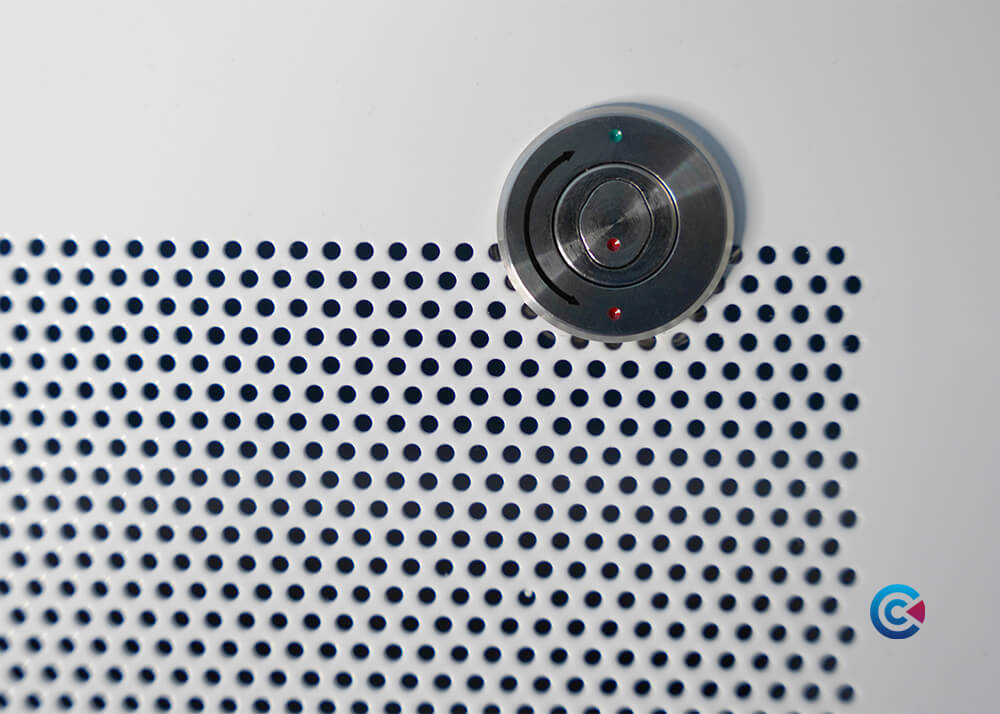
Tamper-resistant security locks with visual status indicator
All fixings are internal. The door lock uses a compression mechanism requiring a specific tool, not a standard Allen key, to open. A visual indicator shows the lock status at a glance, allowing estates staff to confirm at a distance whether a unit is secured without needing to physically check each one. This is a practical feature for ward rounds and estates audits.
TRV shroud
Standard thermostatic radiator valves present an anchor point. The precision-machined TRV shroud eliminates that opportunity while still allowing the user to control room temperature — preserving patient comfort and the environmental control that supports ward care. The shroud is designed to the same IP3X standard as the main grille.
Split and phased delivery
On live hospital programmes, delivery timing matters. Radiator casings delivered before the heating system is commissioned are a liability — storage space on live NHS sites is severely limited, and casings stored on ward can be damaged before installation. Contour offers split delivery as standard: the radiator emitter and valves first; casings delivered once the system is commissioned and ready. This approach removes the storage problem and the risk of pre-installation damage.
Practical implications for NHS estates, mental health units, and procurement teams
For NHS estates managers, the most immediate value is in cleaning efficiency and compliance documentation. A product that reduces per-unit cleaning time from 30 minutes to five, across a ward of 35 units, represents a material saving in estates staff hours every week. The BioCote certification and IP3X test data can be incorporated directly into O&M manuals and presented to IPC teams at sign-off. It means that cleaning is 6 times faster.
For mental health estates teams, the anti-ligature design provides a specification basis that maps directly to HBN 03-01 requirements. The product supports, and is designed around, the dual challenge of patient safety compliance and therapeutic environment quality. Contour's presence at the Design in Mental Health conference reflects the depth of engagement with this sector.
For specifiers and M&E consultants, the availability of NBS Chorus-ready specification clauses, Revit families, and thermal output data at multiple delta-T values removes significant specification overhead. Products that arrive with complete technical documentation reduce the risk of IPC or estates objections late in the design programme.
For main contractors and M&E contractors, the complete kit — radiator, valves, TRVs, fixings, and install guides delivered together or in planned phases — removes the coordination overhead that typically generates programme risk on live NHS builds.
A note on compliance language
HBN guidance is best practice, not statutory regulation in the same sense as a Building Regulation or HTM requirement. Where this article refers to HBN 03-01 or HBN 00-09 expectations, it means the design standards those documents set out and that NHS Trusts, CQC inspectors, and specifiers work to in practice.
DeepClean Extra is designed to support compliance with these expectations. It should not be specified as a replacement for a clinical risk assessment or a formal IPC sign-off process. Contour's technical team can support both of those processes with product documentation, site surveys, and specification guidance.
To discuss specification for a specific project — or to request IP3X test data, BioCote certification, HTM compliance statements, or Revit families — contact Contour's technical team directly. Free site surveys are available for NHS projects.

%20(1).png)
/anti-ligature%20vent%20grilles.jpg)